Best Websites for Web Design Inspiration for Designers
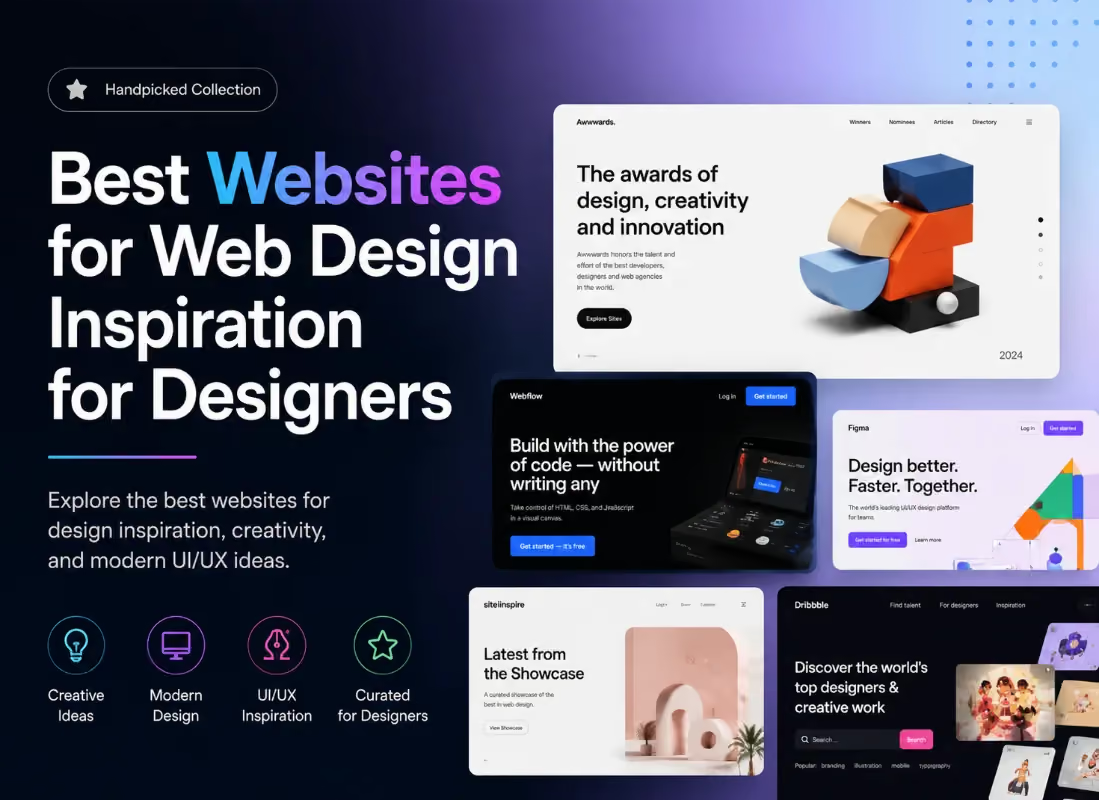
Every strong website starts with a clear idea. But even experienced designers can feel stuck when they are facing a blank Figma file, a new client brief, or a brand that needs a fresh digital direction.
That is where web design inspiration websites become useful.
The best inspiration websites help designers study layouts, colour palettes, typography, animation, navigation, content structure, and conversion patterns from real projects. They are not for copying. They are for research, creative direction, and better decision-making.
Whether you are designing a SaaS website, agency website, startup landing page, e-commerce homepage, portfolio, or Webflow website, the right inspiration source can save hours of research and help you build something more thoughtful.
At Devflow, we believe great websites need more than beautiful visuals. They need clear UX, fast performance, scalable structure, SEO-ready content, and a smooth path from first click to conversion. This guide covers the best websites for web design inspiration and explains how designers, founders, and marketing teams can use them properly.
What Are the Best Websites for Web Design Inspiration?
The best websites for web design inspiration include Awwwards, CSS Design Awards, SiteInspire, SaaSPO, Dribbble, Behance, Mobbin, Land-book, Lapa Ninja, One Page Love, Httpster, Godly, Minimal Gallery, Pinterest, and HOW Design Live.
For award-winning creative websites, start with Awwwards and CSS Design Awards. For SaaS and startup websites, use SaaSPO, Land-book, and Lapa Ninja. For real product UI patterns, use Mobbin. For portfolio and creative direction, use Behance, Dribbble, and HOW Design Live.
How to Use Web Design Inspiration Without Copying
Before we list the best websites, this is important: inspiration should never become imitation.
A website may look beautiful, but that does not mean it will work for your client, audience, offer, or industry. The goal is to study patterns, not duplicate designs.
Use inspiration websites to answer questions like:
- What layout style fits this brand?
- How do similar businesses explain their offer?
- What type of hero section feels clear and trustworthy?
- What navigation structure makes sense?
- What visual direction feels modern but still usable?
- What can we improve for speed, accessibility, SEO, and conversion?
The best designers collect inspiration, analyse it, then create something original around the project’s real goals.
1. Awwwards
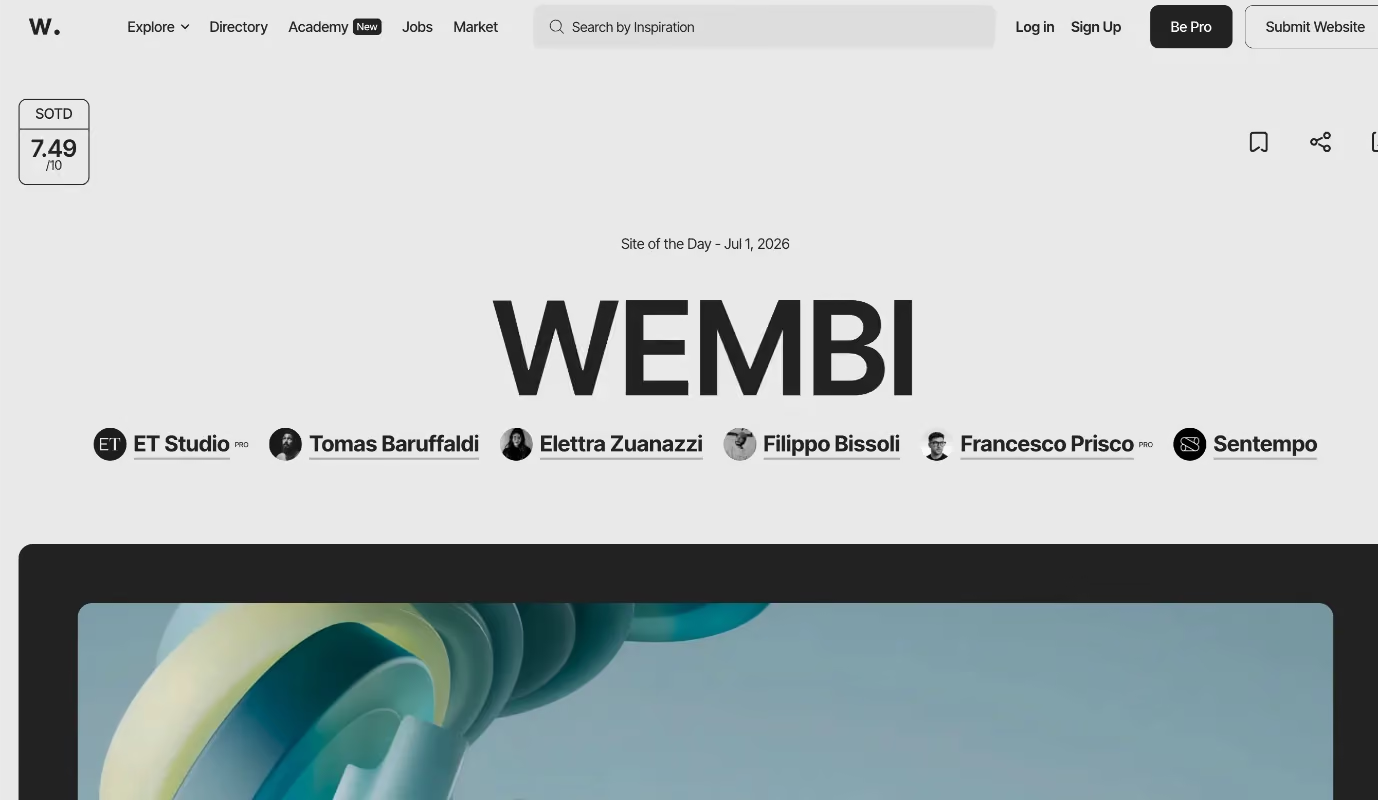
Awwwards is one of the most popular platforms for high-end website design inspiration. It features creative, interactive, and award-winning websites from designers, agencies, and developers around the world.
It is especially useful when you want to explore bold visual design, creative animations, experimental layouts, and premium digital experiences.
Best for: Creative websites, agency websites, portfolio sites, luxury brands, interactive storytelling, animation ideas, and visual direction.
What designers should study:
Look at how winning websites use typography, motion, spacing, scroll effects, and storytelling. Also notice how some designs balance creativity with usability.
Devflow tip:
Awwwards is great for creative direction, but do not forget performance. A website can look impressive and still fail if it loads slowly or confuses users. The best Webflow builds combine creative design with clean structure and fast performance.
2. CSS Design Awards
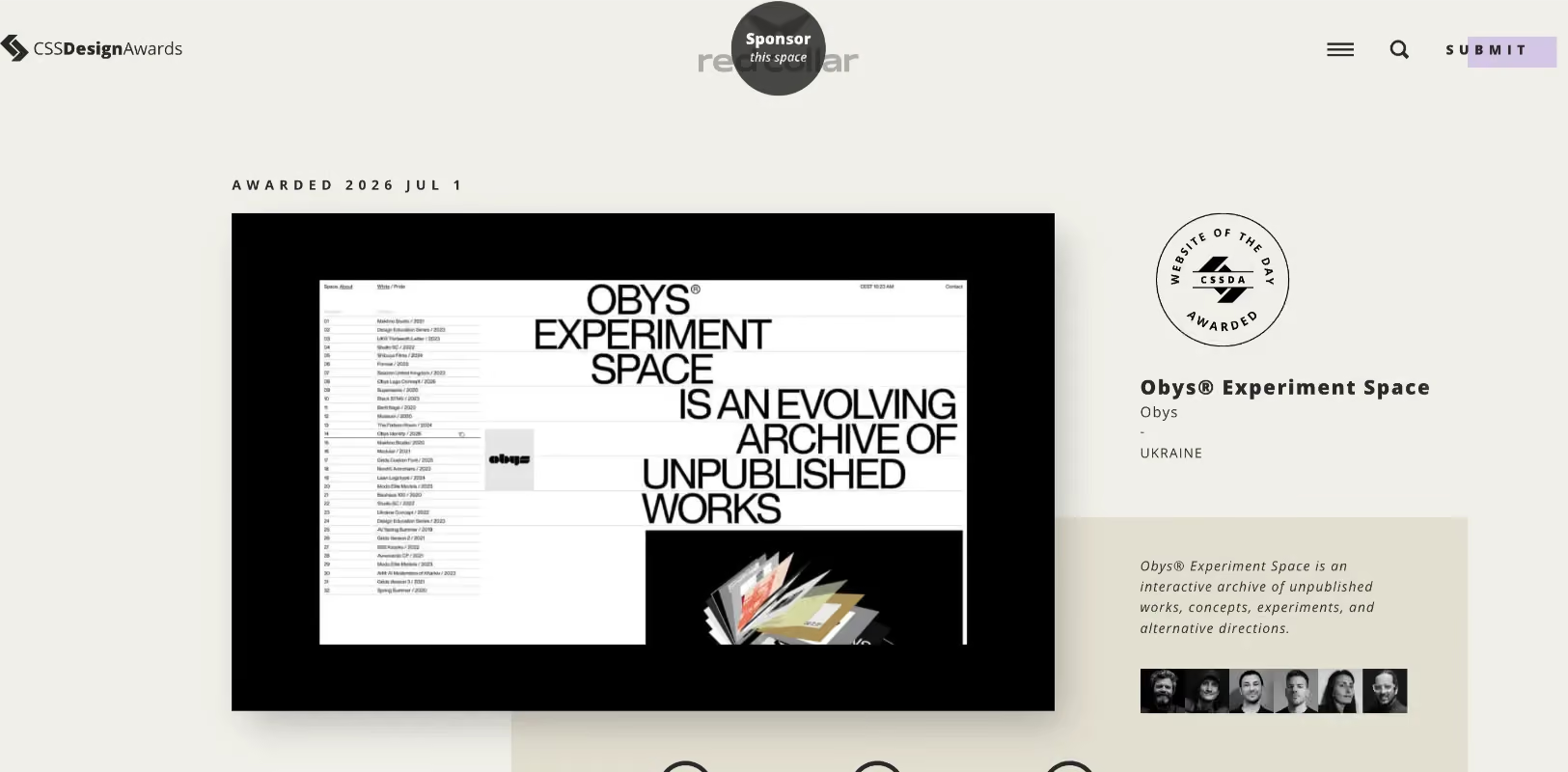
CSS Design Awards is another strong source for discovering beautifully designed websites. It highlights websites with strong UI, UX, innovation, and development quality.
Designers can use it to understand how modern websites combine visual polish with technical execution.
Best for: UI inspiration, UX inspiration, animation, development quality, and award-level design standards.
What designers should study:
Pay attention to layout rhythm, spacing, colour use, section transitions, and how each website creates a memorable first impression.
Devflow tip:
When studying award websites, always ask: does the design help users understand the message faster? Creative design should support clarity, not replace it.
3. SiteInspire
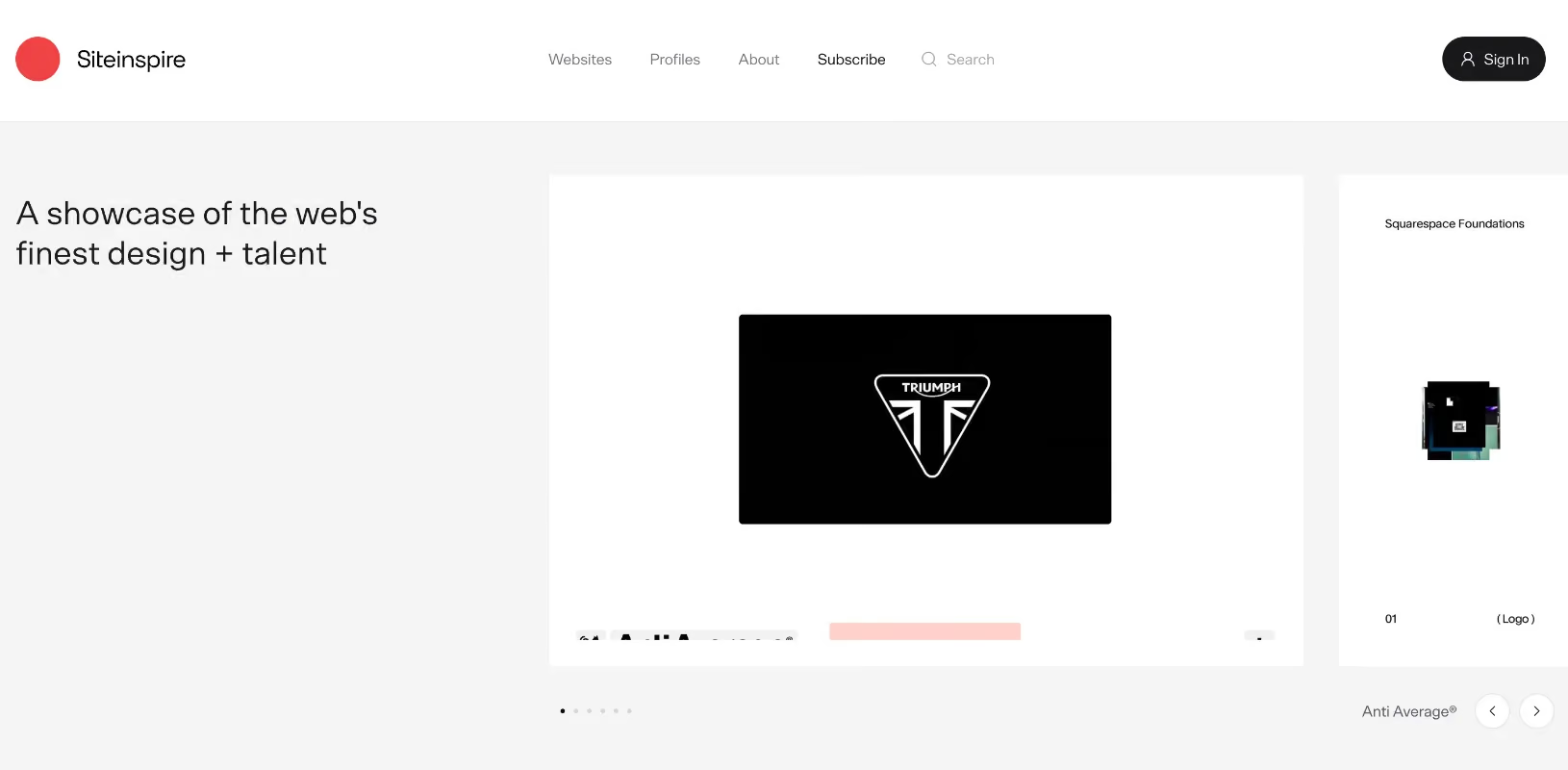
SiteInspire is a curated gallery of clean, modern website designs. It is useful because it allows designers to explore websites by style, type, subject, and platform.
Unlike some highly experimental galleries, SiteInspire often features practical design examples that can be used for real business websites.
Best for: Clean websites, editorial layouts, portfolios, agencies, startups, minimal websites, and brand-led digital experiences.
What designers should study:
Look at layout balance, typography hierarchy, page structure, and how different websites use white space.
Devflow tip:
SiteInspire is ideal when you want inspiration that feels modern but still realistic for business websites.
4. SaaSPO
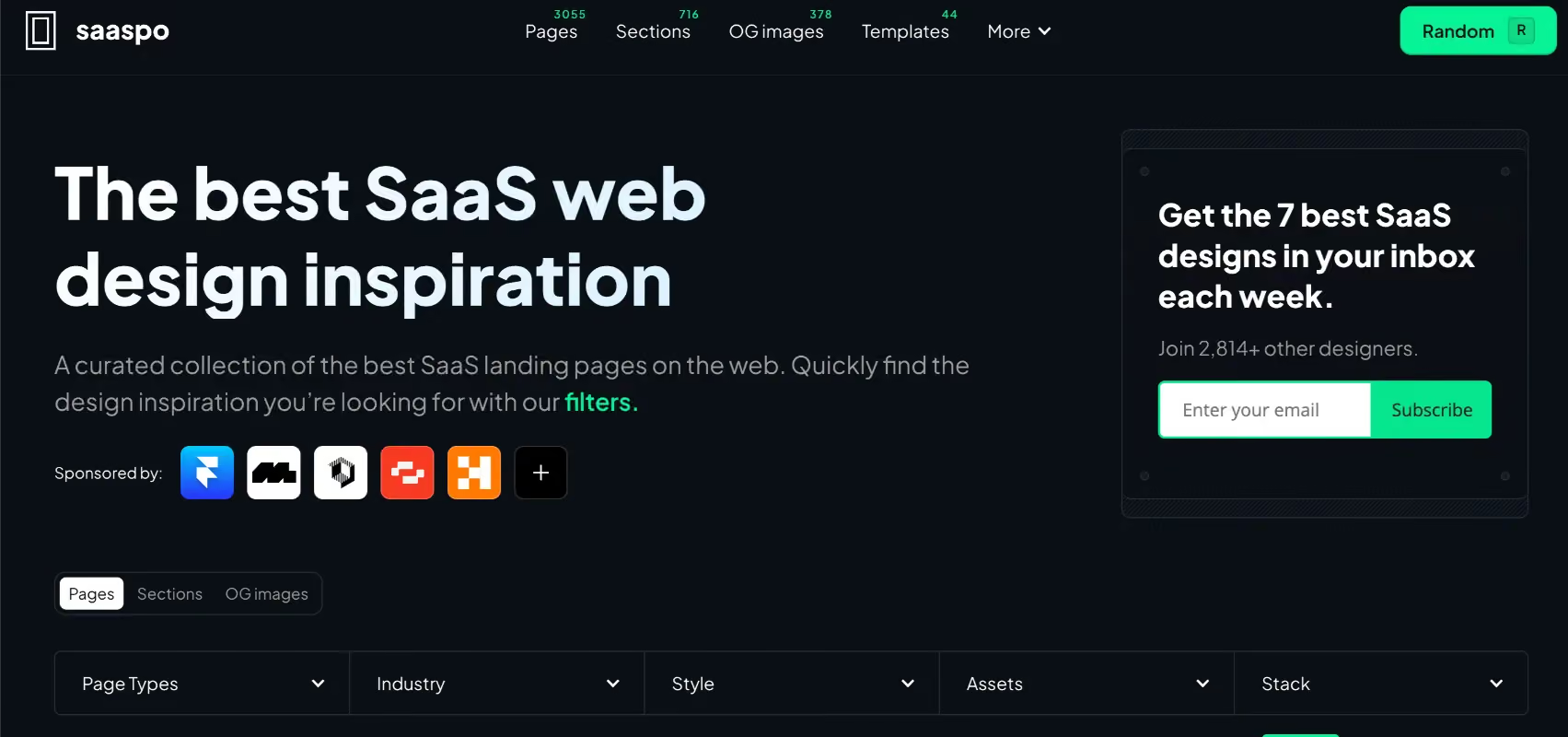
SaaSPO is a useful inspiration platform for SaaS and software website design. It includes examples across landing pages, pricing pages, product pages, about pages, blog pages, customer pages, careers pages, and more.
This makes it especially valuable for designers working with SaaS startups, B2B software companies, AI tools, automation platforms, fintech products, CRM tools, or productivity products.
Best for: SaaS websites, B2B landing pages, pricing pages, product-led websites, and conversion-focused design.
What designers should study: Look at hero messaging, product screenshots, feature sections, pricing page layouts, social proof, comparison sections, and demo CTAs.
Devflow tip:
For SaaS websites, inspiration should not stop at visuals. Study how the page explains the product, removes confusion, builds trust, and drives users toward a demo, signup, or consultation.
5. Mobbin
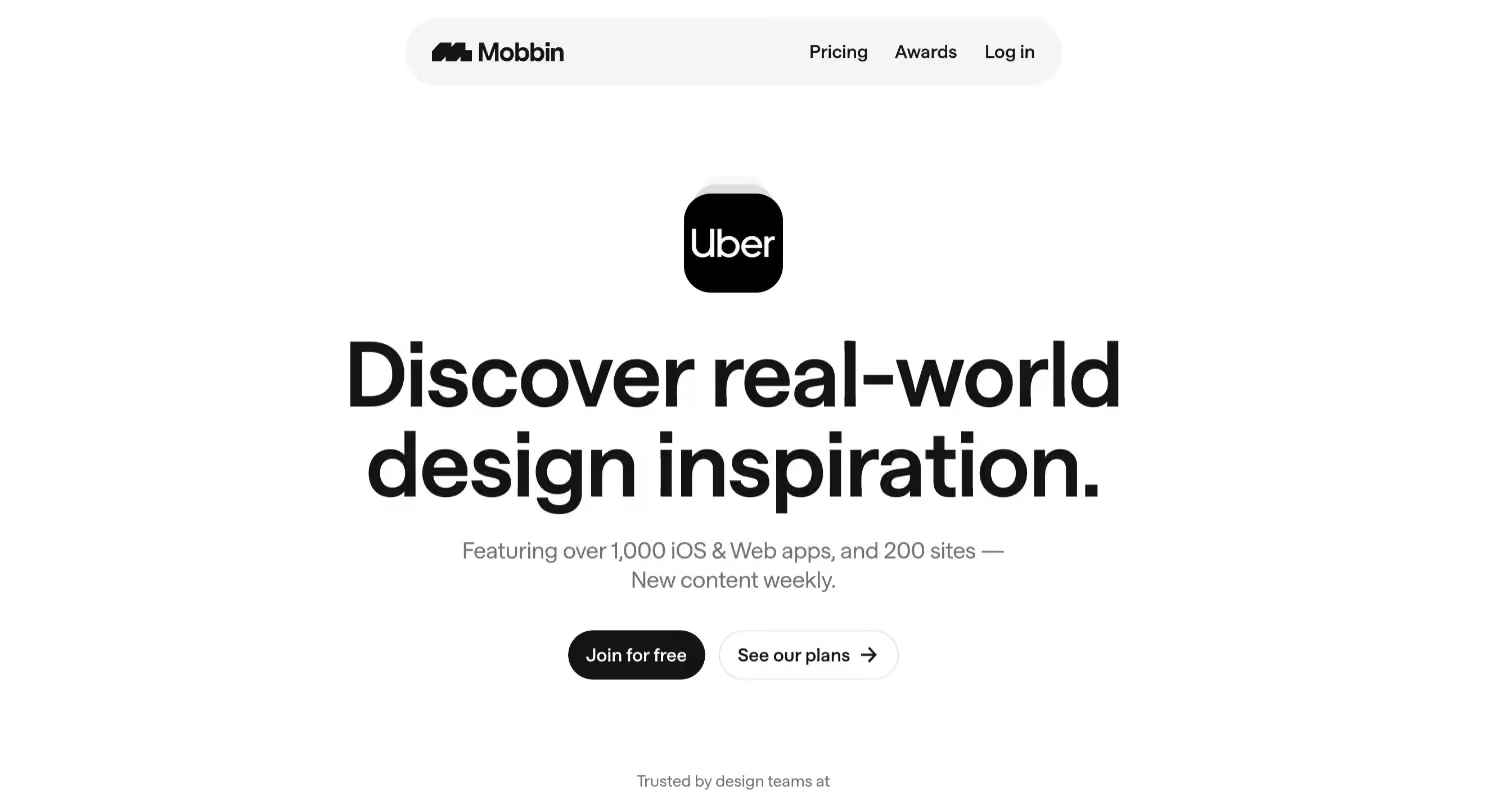
Mobbin is a great resource for UI and UX patterns from real digital products. It is especially helpful when designers need practical inspiration for app screens, product flows, onboarding, dashboards, forms, settings pages, and user journeys.
While many inspiration sites focus on homepage visuals, Mobbin helps designers understand how real interfaces work.
Best for: UX research, SaaS dashboards, mobile apps, web apps, onboarding flows, forms, product UI, and user journeys.
What designers should study:
Study how leading products structure flows, reduce friction, use microcopy, organise information, and guide users through tasks.
Devflow tip:
If your website connects to a product, dashboard, portal, or app, Mobbin can help create a more consistent experience between the marketing site and the product interface.
6. Dribbble
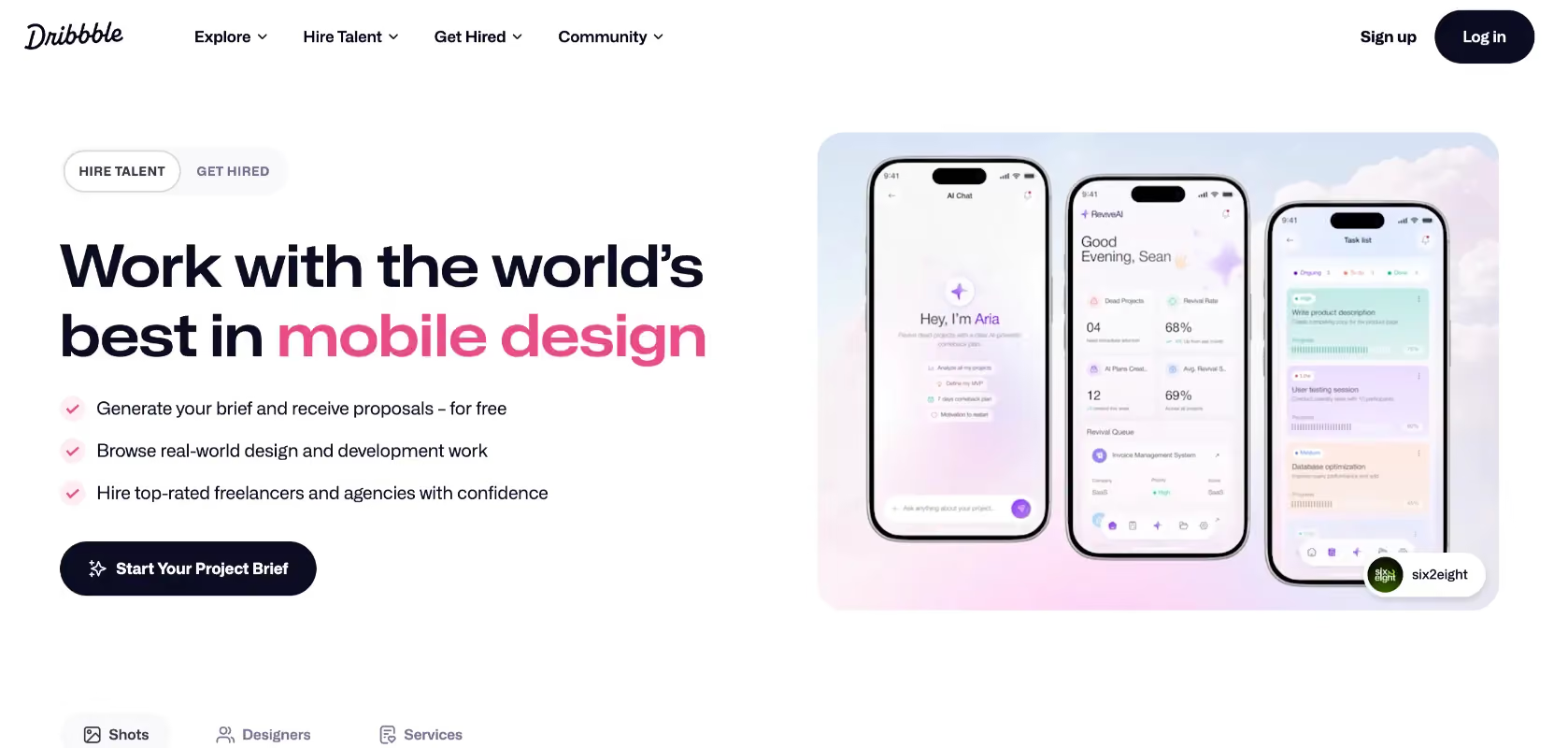
Dribbble is one of the biggest design communities online. It features UI concepts, landing pages, illustrations, branding ideas, app screens, and creative experiments from designers around the world.
It is great for fast visual inspiration, but designers should use it carefully because many designs are concept shots rather than live websites.
Best for: Visual ideas, UI concepts, landing page sections, illustration styles, colour palettes, and creative experiments.
What designers should study: Use Dribbble to explore mood, style, and visual direction. Do not rely on it alone for UX or conversion strategy.
Devflow tip:
A Dribbble shot may look beautiful in a small preview, but a real website must work across desktop, tablet, mobile, CMS, SEO, and performance requirements.
7. Behance
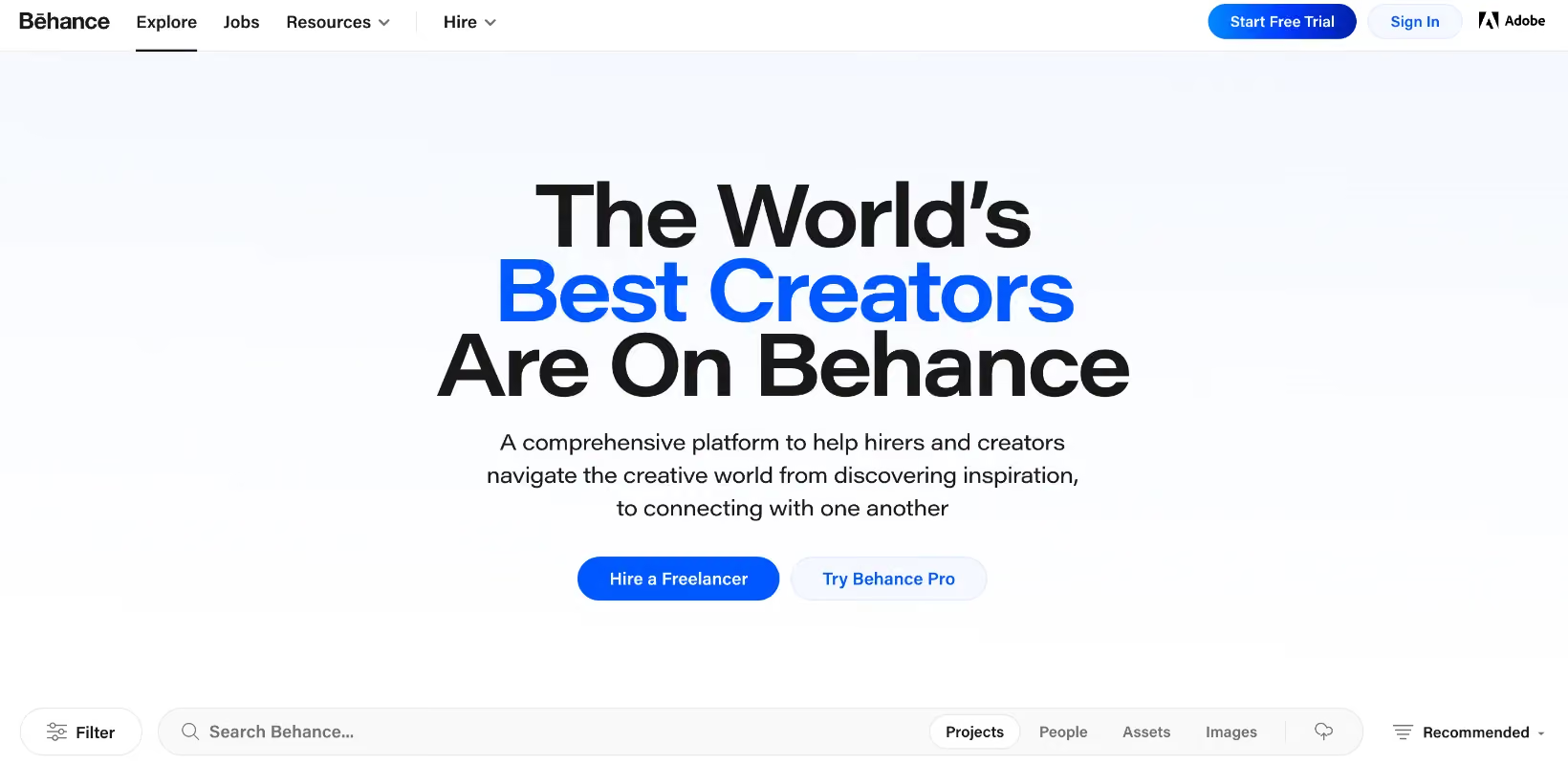
Behance is a strong platform for complete design case studies. Unlike quick design shots, Behance often includes full project breakdowns, brand identity, website mockups, typography, colour systems, and visual storytelling.
It is useful when you want to understand the full creative direction behind a project.
Best for: Brand identity, full website case studies, portfolio inspiration, creative campaigns, and visual systems.
What designers should study: Look at how designers present the problem, concept, brand system, wireframes, final UI, and mockups.
Devflow tip:
Behance is especially useful before starting a brand-led website project because it helps connect visual identity with digital experience.
8. Land-book
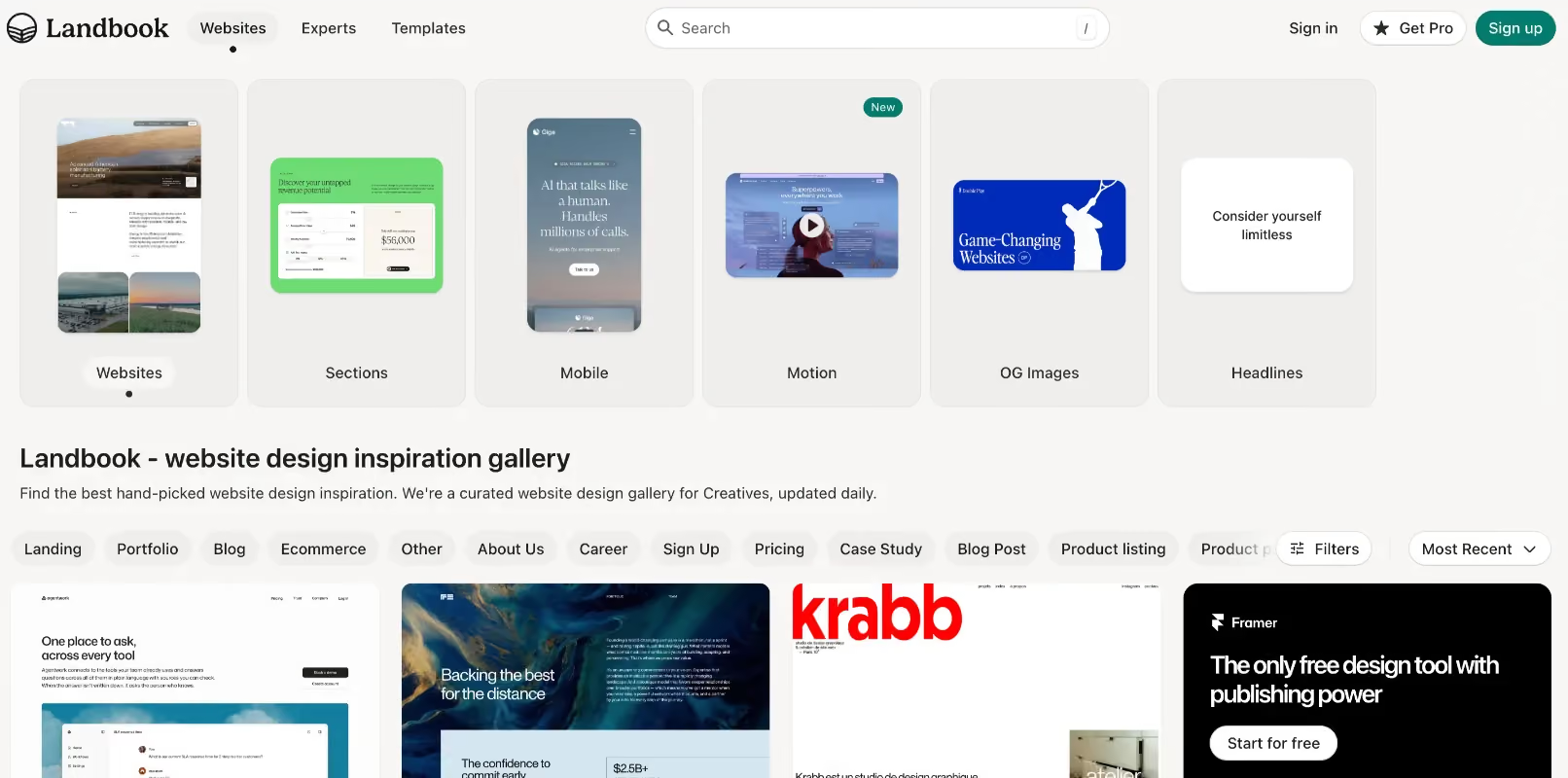
Land-book is a popular gallery for landing page inspiration. It includes startup websites, SaaS websites, agency pages, product pages, portfolios, and marketing websites.
It is simple, practical, and useful for designers who want quick layout ideas.
Best for: Landing pages, startup websites, SaaS websites, homepage sections, and conversion-focused layouts.
What designers should study: Study hero sections, CTA placement, feature blocks, testimonial sections, pricing previews, and footer layouts.
Devflow tip:
Land-book is useful for early-stage moodboarding when you need to compare different layout directions quickly.
9. Lapa Ninja
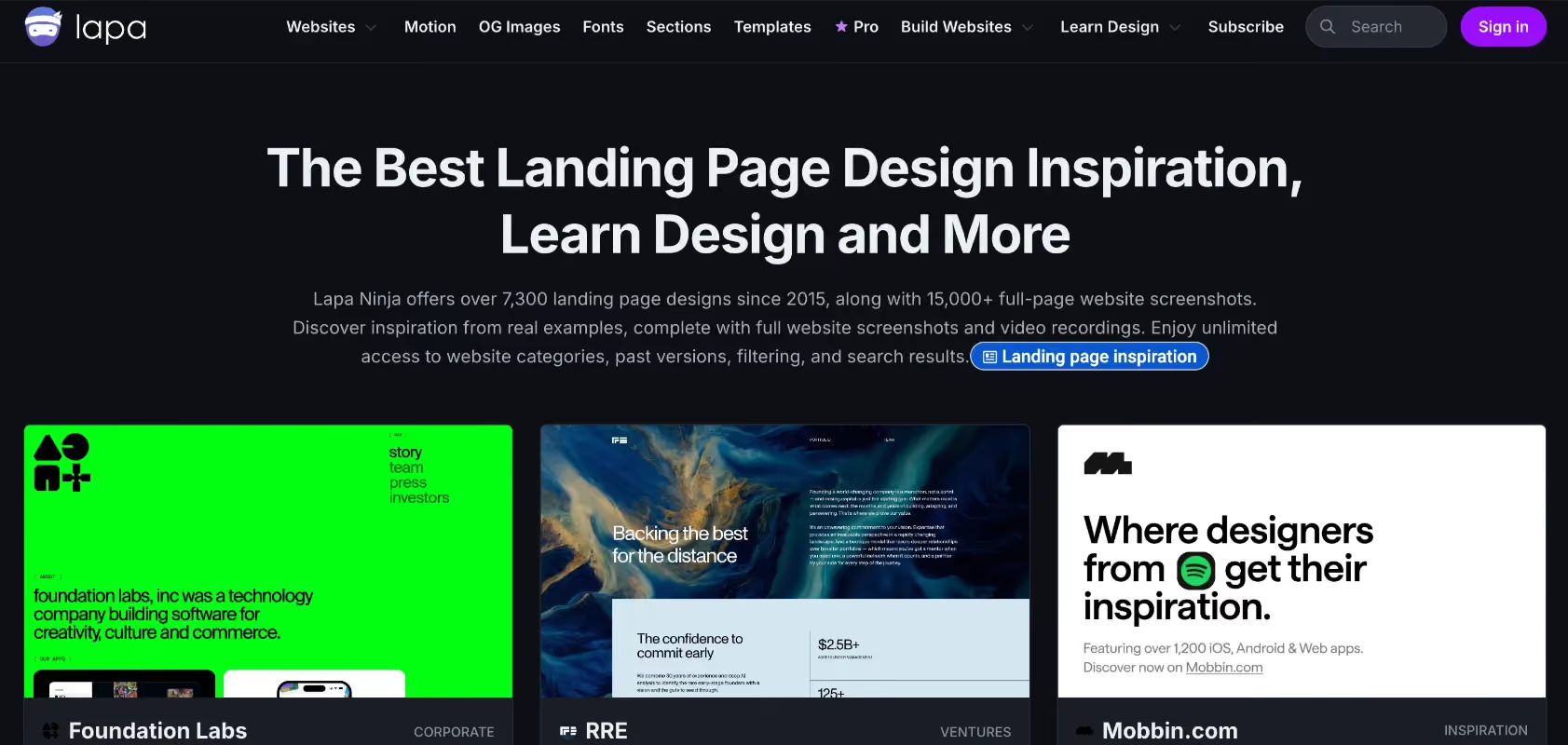
Lapa Ninja is another excellent landing page inspiration website. It includes many startup, SaaS, app, product, and agency website examples.
It is especially useful when you need inspiration for homepage structure and section flow.
Best for: Landing page design, homepage ideas, SaaS products, app websites, and startup launches.
What designers should study:
Look at how websites introduce the product, show benefits, display screenshots, explain features, and build trust.
Devflow tip:
For conversion-focused websites, study not only the design style but also the order of sections. Section order can strongly affect how easily users understand the offer.
10. One Page Love
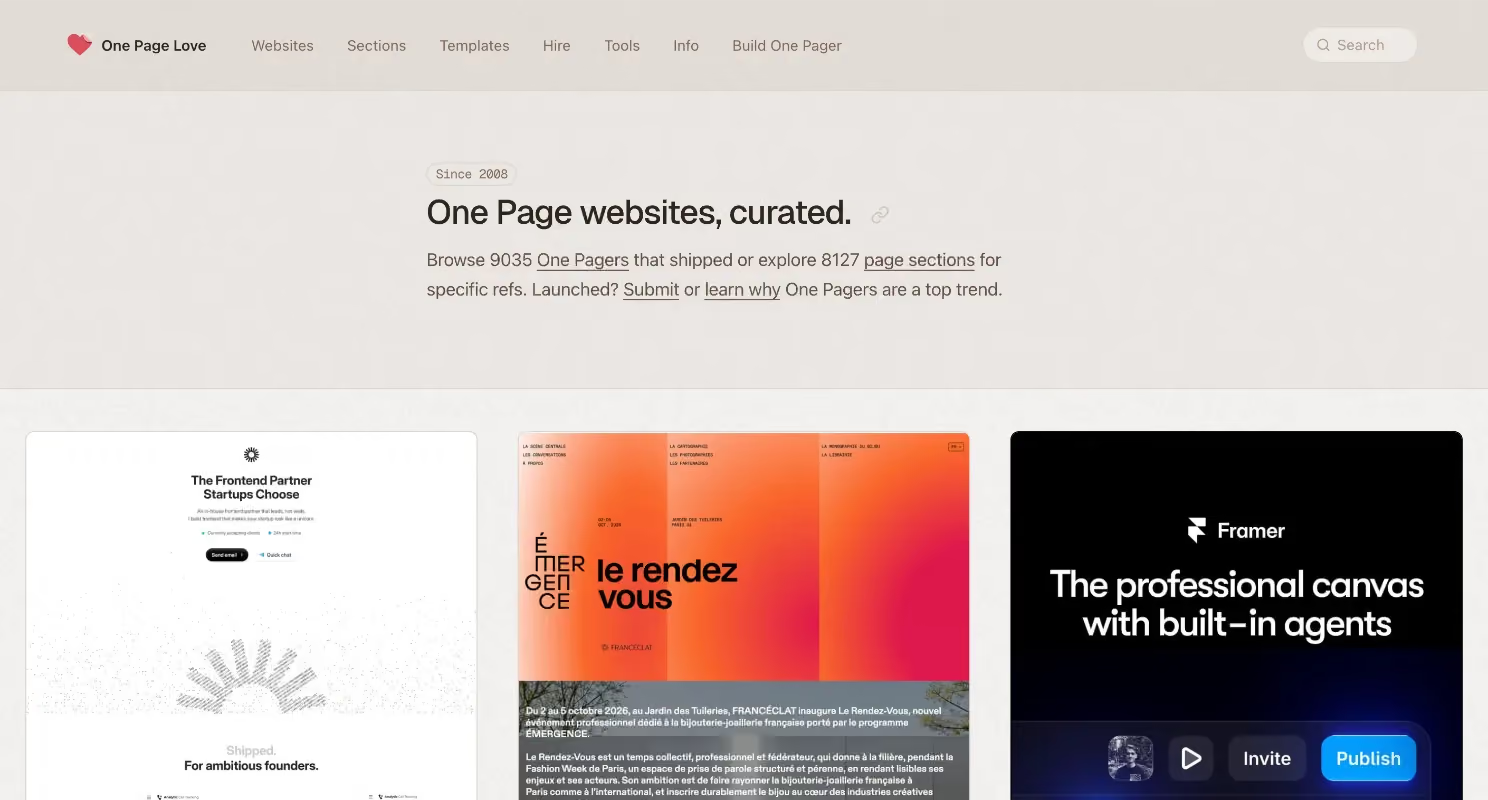
One Page Love focuses on one-page websites, landing pages, and simple website experiences. It is useful when designing campaigns, personal portfolios, product launches, event pages, or small business landing pages.
Best for: One-page websites, simple landing pages, portfolio pages, product launches, and campaign sites.
What designers should study:
Study how one-page websites keep the content focused without overwhelming the visitor.
Devflow tip:
One-page websites work best when the offer is simple. If a business has multiple services, case studies, locations, or SEO goals, a multi-page structure is usually better.
11. Httpster
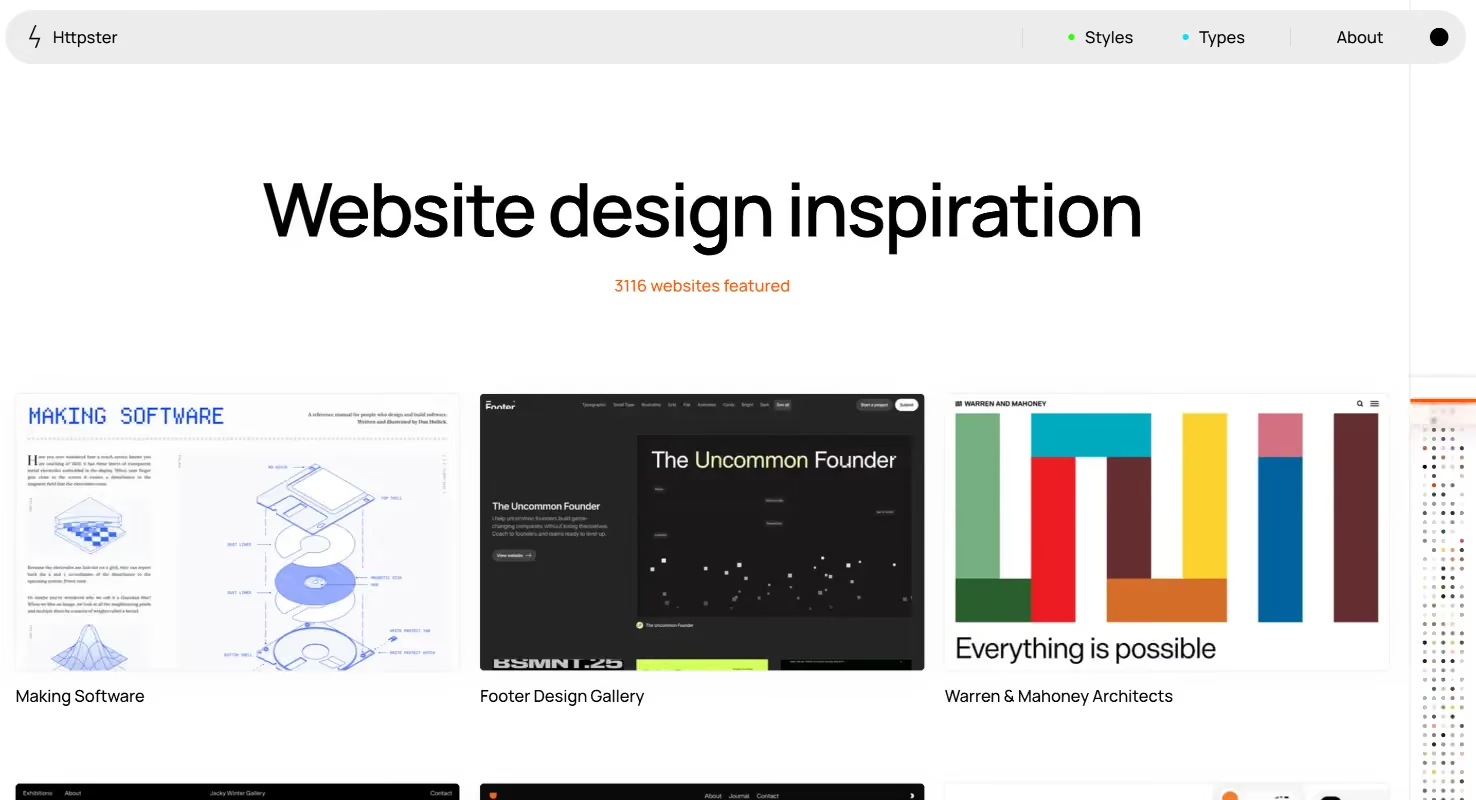
Httpster is a hand-picked website inspiration gallery with a strong focus on typography, minimal layouts, creative direction, and modern web aesthetics.
It often features websites that feel less corporate and more design-led.
Best for: Typography inspiration, minimal websites, creative studios, editorial layouts, and distinctive brand presentation.
What designers should study: Focus on font pairing, spacing, editorial structure, image treatment, and how simple layouts can still feel memorable.
Devflow tip:
A minimal website is not just a website with less content. Good minimal design requires strong hierarchy, confident typography, and clear messaging.
12. Godly
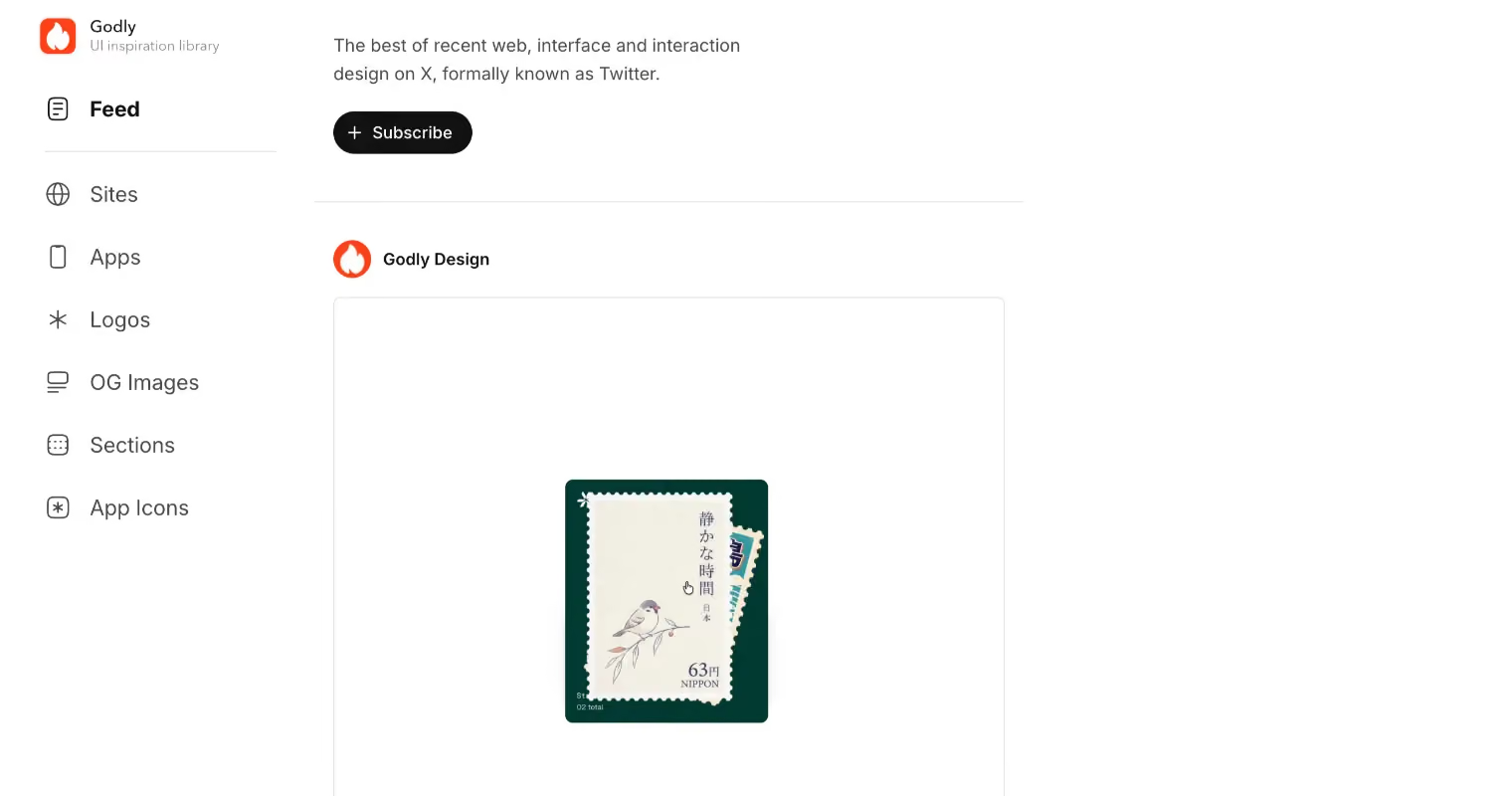
Godly is a modern website inspiration gallery that often features clean, polished, startup-style websites. It is useful for designers who want to study modern landing page trends, SaaS layouts, and high-quality UI direction.
Best for: Modern startups, SaaS websites, AI tools, product pages, and clean landing pages.
What designers should study: Look at hero sections, gradient use, product visuals, CTA patterns, social proof, and responsive layout ideas.
Devflow tip:
Godly is useful when you want modern inspiration without going too experimental.
13. Minimal Gallery
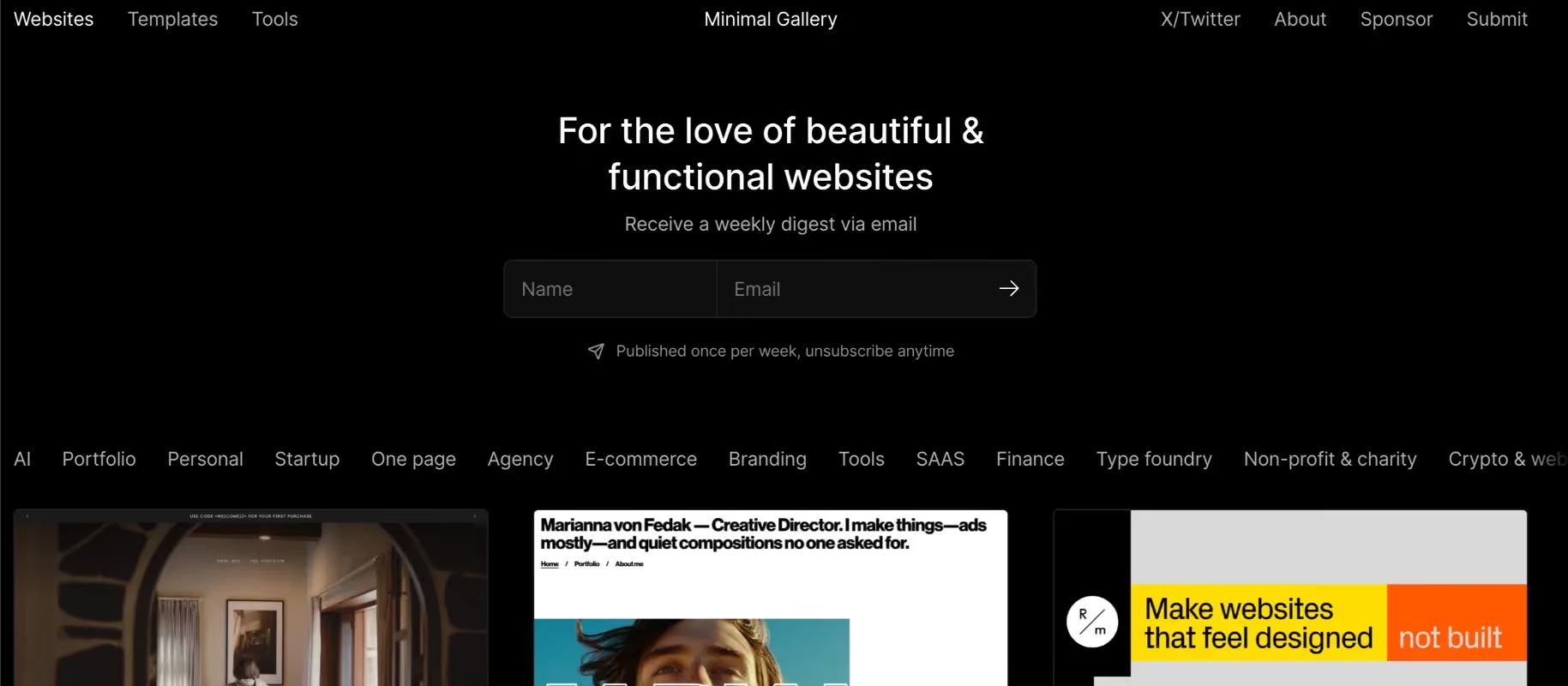
Minimal Gallery is ideal for designers who prefer clean, simple, and elegant websites. It focuses on minimal web design examples with strong use of whitespace, typography, and restraint.
Best for: Minimal websites, premium brands, portfolios, studios, consultants, and editorial-style websites.
What designers should study:
Study whitespace, font size, navigation simplicity, image placement, and how minimal layouts create a premium feel.
Devflow tip:
Minimal design works well when the brand message is clear. Without strong copy and hierarchy, minimal websites can feel empty instead of elegant.
14. Page Flows
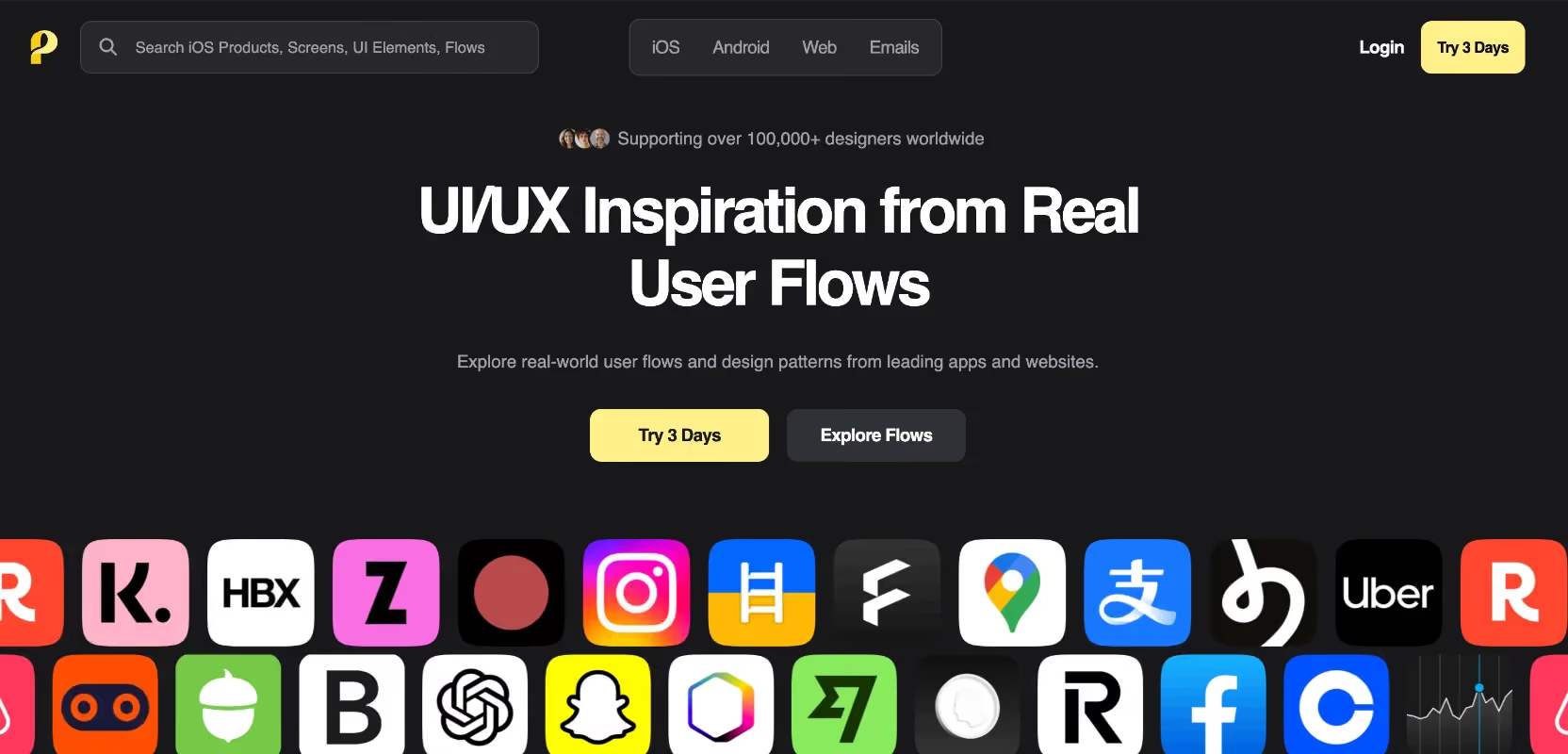
Page Flows is useful for designers who want to study user flows rather than only static website visuals. It includes examples of onboarding, account creation, checkout, upgrades, cancellation flows, and other product journeys.
Best for: UX designers, product designers, SaaS teams, onboarding design, form design, and conversion flow research.
What designers should study:
Look at how products reduce user effort, explain steps, use progress indicators, and handle friction points.
Devflow tip:
For SaaS and Webflow projects, studying flows can help improve lead generation forms, demo booking journeys, and onboarding pages.
15. Pinterest
Pinterest is a broad visual search engine that can be useful for moodboards, colour palettes, typography ideas, branding references, and layout inspiration.
It is not a dedicated web design platform, but it can help designers explore visual directions quickly.
Best for: Moodboards, colour palettes, brand style, typography, editorial design, and early creative exploration.
What designers should study:
Use Pinterest to explore the emotional direction of a brand before moving into detailed website structure.
Devflow tip:
Pinterest is best for mood, not final UX decisions. Use it early in the creative process, then validate your direction with real website examples.
16. HOW Design Live
.avif)
HOW Design Live is useful for broader creative inspiration. It covers design, creative industries, art, visual culture, and resources that can help designers think beyond standard web layouts.
This is important because the best web design ideas often come from outside web design itself.
Best for: Creative direction, visual culture, art inspiration, branding, editorial thinking, and design education.
What designers should study:
Look at how creative professionals use storytelling, campaigns, visual systems, and cultural references.
Devflow tip:
When every website in an industry starts to look the same, look outside that industry. Inspiration from art, editorial design, photography, architecture, or product packaging can help create a more original website.
17. The Design Blog
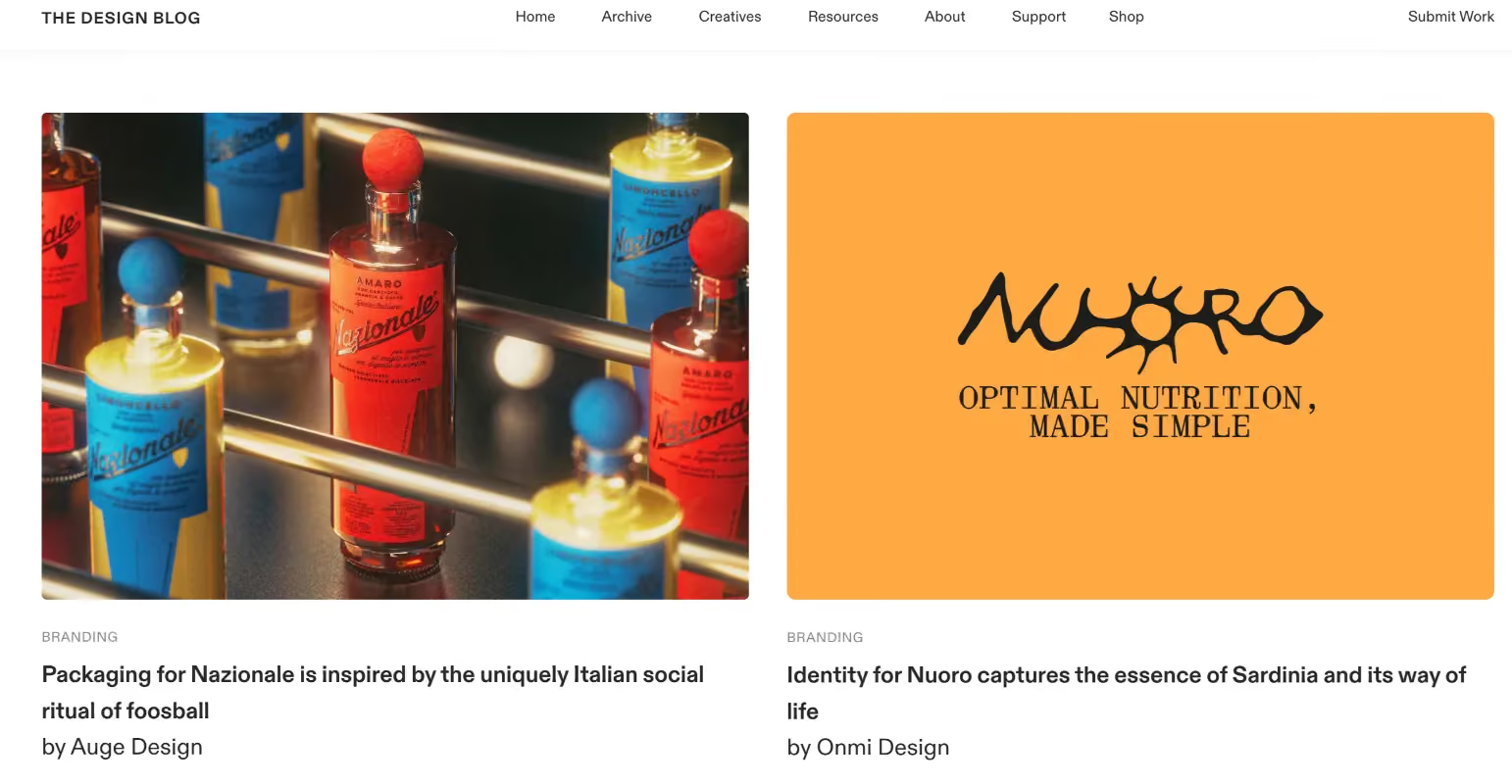
The Design Blog is useful for graphic design, branding, typography, illustration, and visual identity inspiration. It helps web designers build stronger taste and better visual judgment.
Best for: Graphic design inspiration, brand identity, typography, illustration, and creative systems.
What designers should study:
Study how visual identity decisions can influence website design direction.
Devflow tip:
A website becomes stronger when the digital design is connected to a broader brand system.
18. AIGA Eye on Design
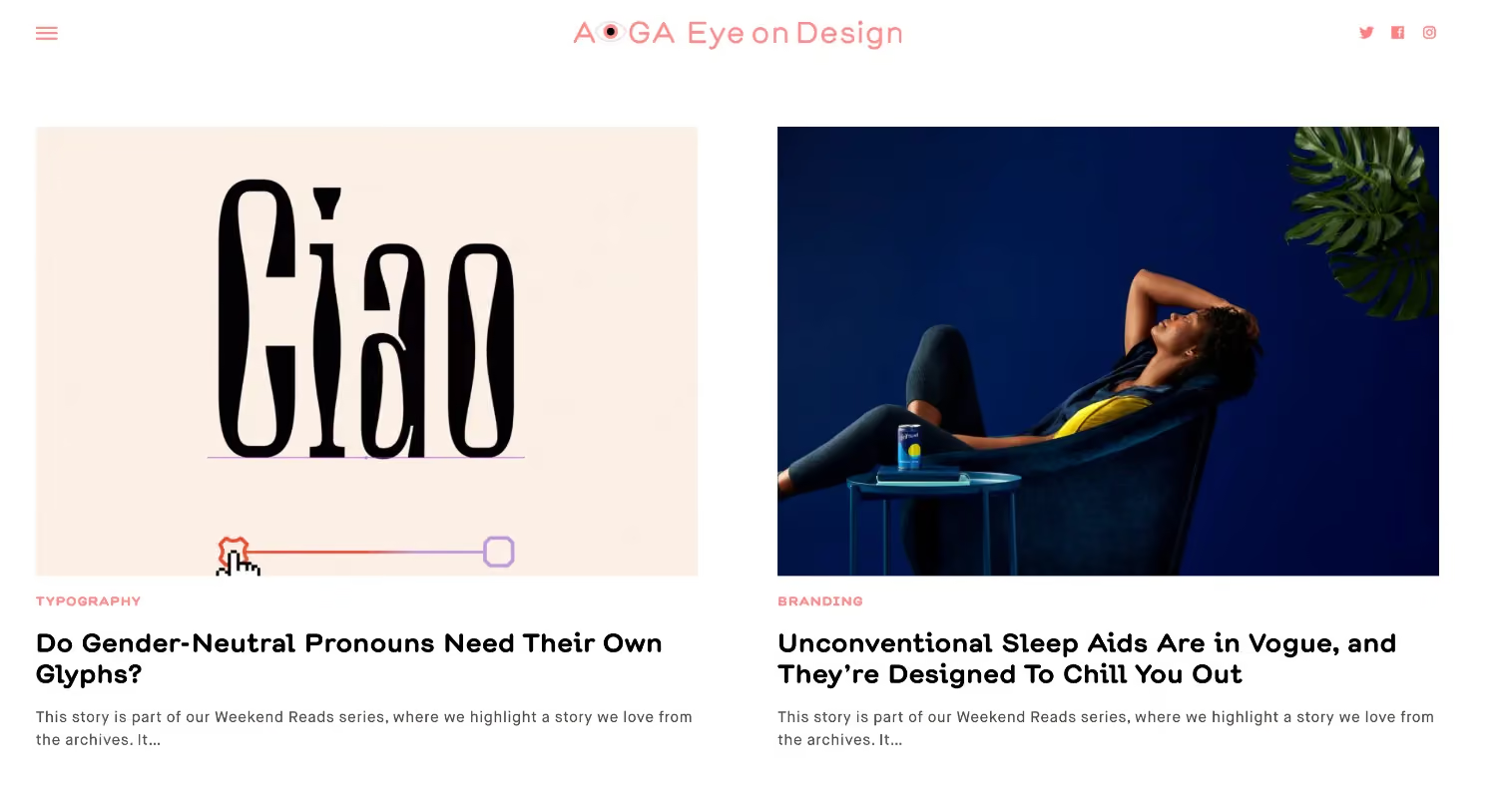
AIGA Eye on Design is a high-quality design publication that covers graphic design, visual culture, typography, creative work, and industry conversations.
It is useful for designers who want to improve their creative thinking, not just collect screenshots.
Best for: Design thinking, visual culture, typography, creative trends, and professional design insight.
What designers should study:
Read beyond the visuals. Study the ideas, context, and creative decisions behind design work.
Devflow tip:
Better design taste comes from studying design deeply, not only scrolling through galleries.
Common Mistakes Designers Make When Using Inspiration
Mistake 1: Copying Instead of Analysing
Copying another design can damage originality and create a poor fit for the project. Instead, study why the design works.
Mistake 2: Choosing Style Over Strategy
A trendy layout is useless if it does not explain the offer clearly or guide users toward action.
Mistake 3: Ignoring the Client’s Audience
A luxury website, SaaS website, restaurant website, and local service website all need different design decisions.
Mistake 4: Forgetting Performance
Heavy animations, large images, and unnecessary scripts can slow down a website. Speed matters for user experience and SEO.
Mistake 5: Designing Without Content
Good design needs real content. Placeholder text often leads to weak layouts and unclear messaging.
Mistake 6: Ignoring Mobile
Many users will visit from mobile devices. Always check whether the design idea can work on smaller screens.
Final Thoughts
The best websites for web design inspiration can help designers create stronger, smarter, and more original websites. Platforms like Awwwards, CSS Design Awards, SiteInspire, SaaSPO, Mobbin, Behance, Dribbble, Land-book, Lapa Ninja, and HOW Design Live all offer different types of creative value.
But inspiration alone is not enough.
A high-performing website needs strategy, UX, content, development quality, SEO structure, speed, and conversion thinking. That is where the right web design and Webflow partner makes the difference.
If you are planning a new website, redesign, SaaS landing page, or Webflow migration, Devflow can help you turn inspiration into a website that looks sharp, loads fast, and supports real business growth.
Ready to build a website that looks premium and performs properly?
Devflow designs and develops fast, scalable, SEO-ready Webflow websites for businesses that want more than a nice-looking homepage.
Book a free 30-minute strategy call and let’s turn your ideas into a website built for clarity, speed, and growth.
FAQs
What is the best website for web design inspiration?
Awwwards is one of the best websites for creative and award-winning web design inspiration. SiteInspire is great for clean website examples, while SaaSPO is useful for SaaS and startup website inspiration.
Where can designers find SaaS website inspiration?
Designers can find SaaS website inspiration on SaaSPO, Land-book, Lapa Ninja, Godly, and Mobbin. These platforms are useful for studying landing pages, pricing pages, product sections, dashboards, and conversion patterns.
Should designers copy website inspiration?
No. Designers should not copy inspiration websites. They should study layout, structure, typography, colour, UX patterns, and messaging, then create an original design based on the project’s goals.
What should I look for in a web design inspiration website?
Look for clear messaging, strong visual hierarchy, readable typography, useful navigation, mobile-friendly layouts, strong CTAs, fast performance, and a smooth user journey.
How does web design inspiration help with SEO?
Good inspiration can help designers plan better page structure, headings, content flow, internal sections, mobile layout, and user experience. However, SEO also needs keyword research, technical setup, metadata, schema, speed, and helpful content.
Can Devflow help turn inspiration into a real Webflow website?
Yes. Devflow can help turn inspiration, wireframes, or Figma designs into fast, responsive, scalable, and SEO-ready Webflow websites built around business goals
.avif)