May 20, 2026
8 Best SaaS Web Design Agencies in the UK

Top Web Design Trends for 2026: 9 Modern Design Ideas for Better UX
Stay ahead in 2026 with the latest web design trends. Learn 9 modern ideas to improve user experience, speed, and engagement on your website.
Modern users expect websites to be fast, visually appealing, and easy to navigate. If a site feels outdated or difficult to use, visitors often leave quickly and look elsewhere. As digital expectations continue to evolve, businesses need to update their websites to stay competitive.
Traditional layouts and static designs no longer capture attention like they once did. Today’s successful websites focus on clarity, performance, and engaging user experiences.
In this guide, we highlight nine web design trends shaping digital experiences in 2026. These trends can help businesses create websites that feel modern, user-friendly, and built for better engagement.
Modern users expect websites to be fast, visually appealing, and easy to navigate. If a site feels outdated or difficult to use, visitors often leave quickly and look elsewhere. As digital expectations continue to evolve, businesses need to update their websites to stay competitive.
Traditional layouts and static designs no longer capture attention like they once did. Today’s successful websites focus on clarity, performance, and engaging user experiences.
In this guide, we highlight nine web design trends shaping digital experiences in 2026. These trends can help businesses create websites that feel modern, user-friendly, and built for better engagement.
Web design is constantly evolving as user expectations change. After researching modern design practices, it’s clear that websites today need to be clean, fast, and engaging.
These 9 web design trends for 2026 can help make your client’s website feel more modern, user-friendly, and competitive.
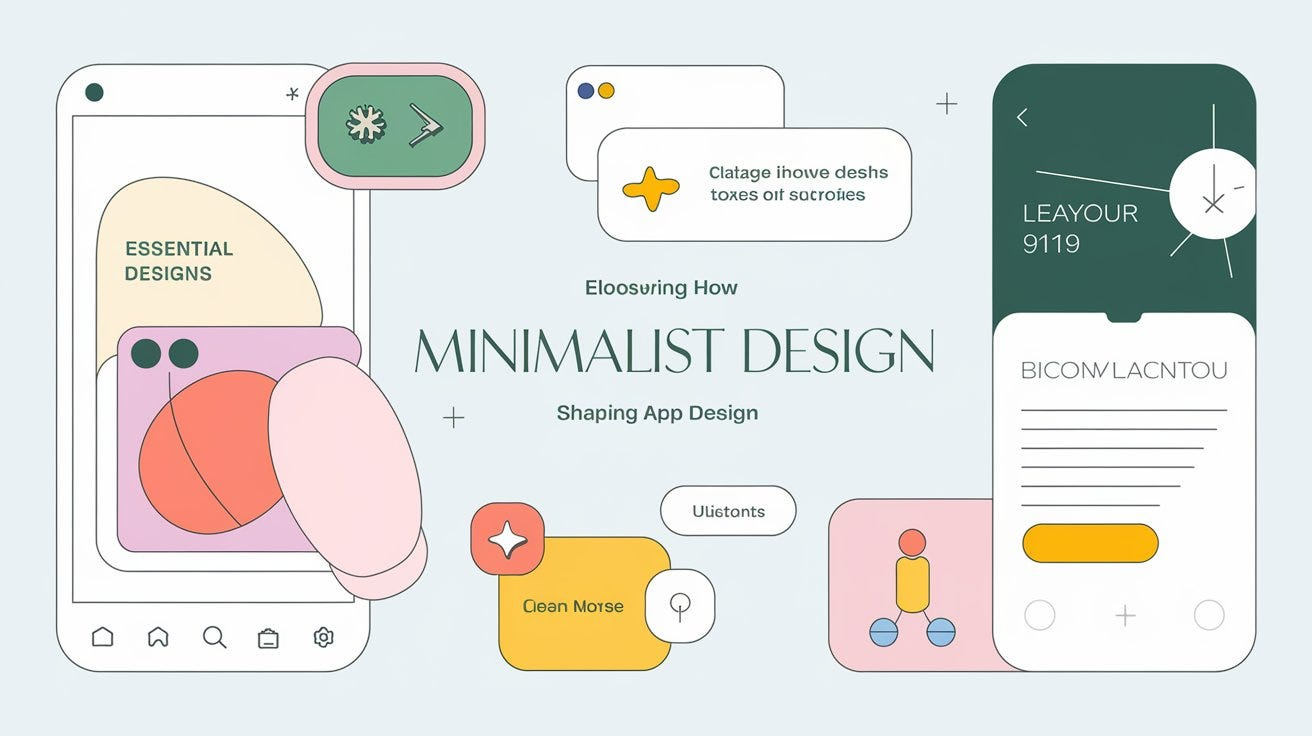
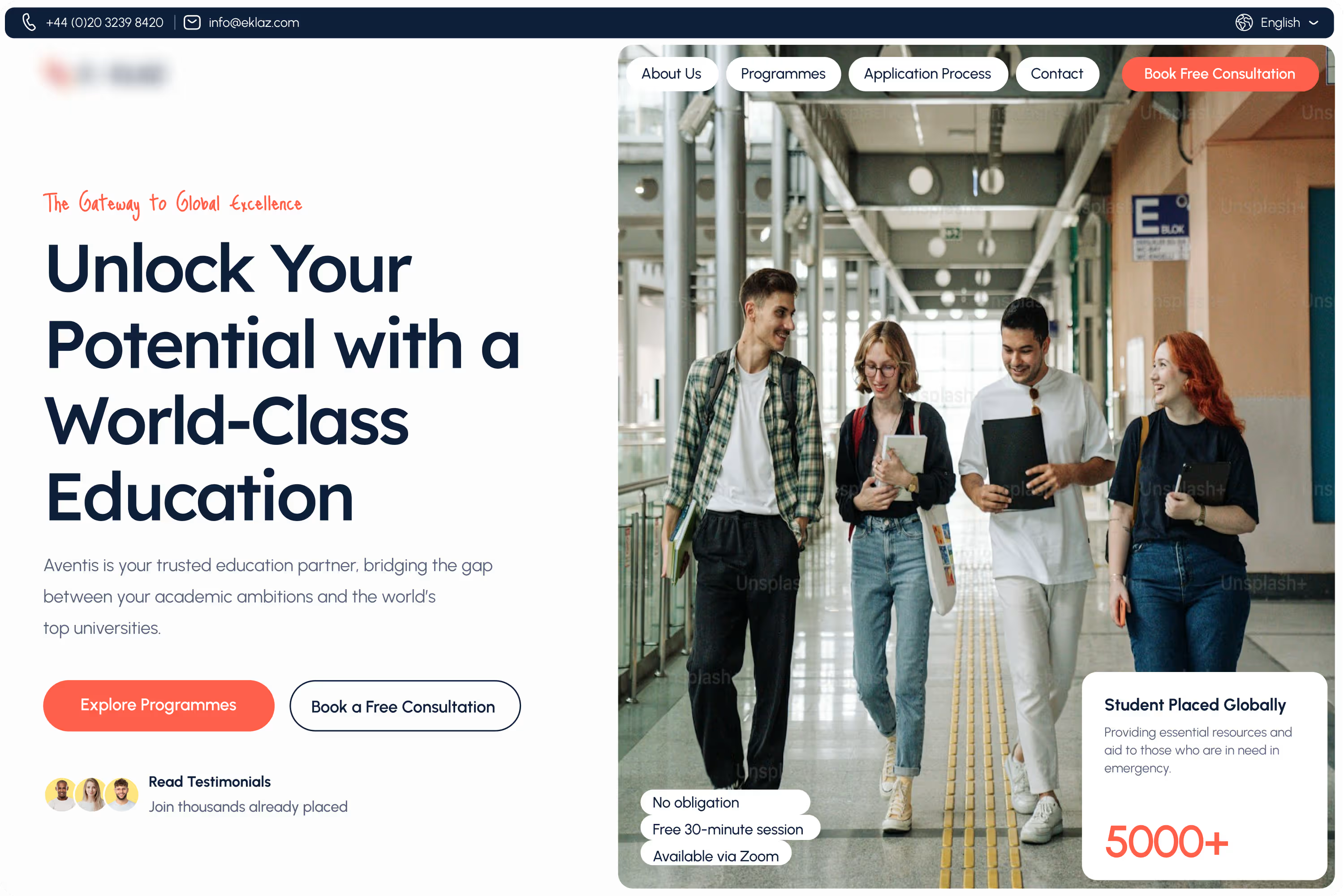
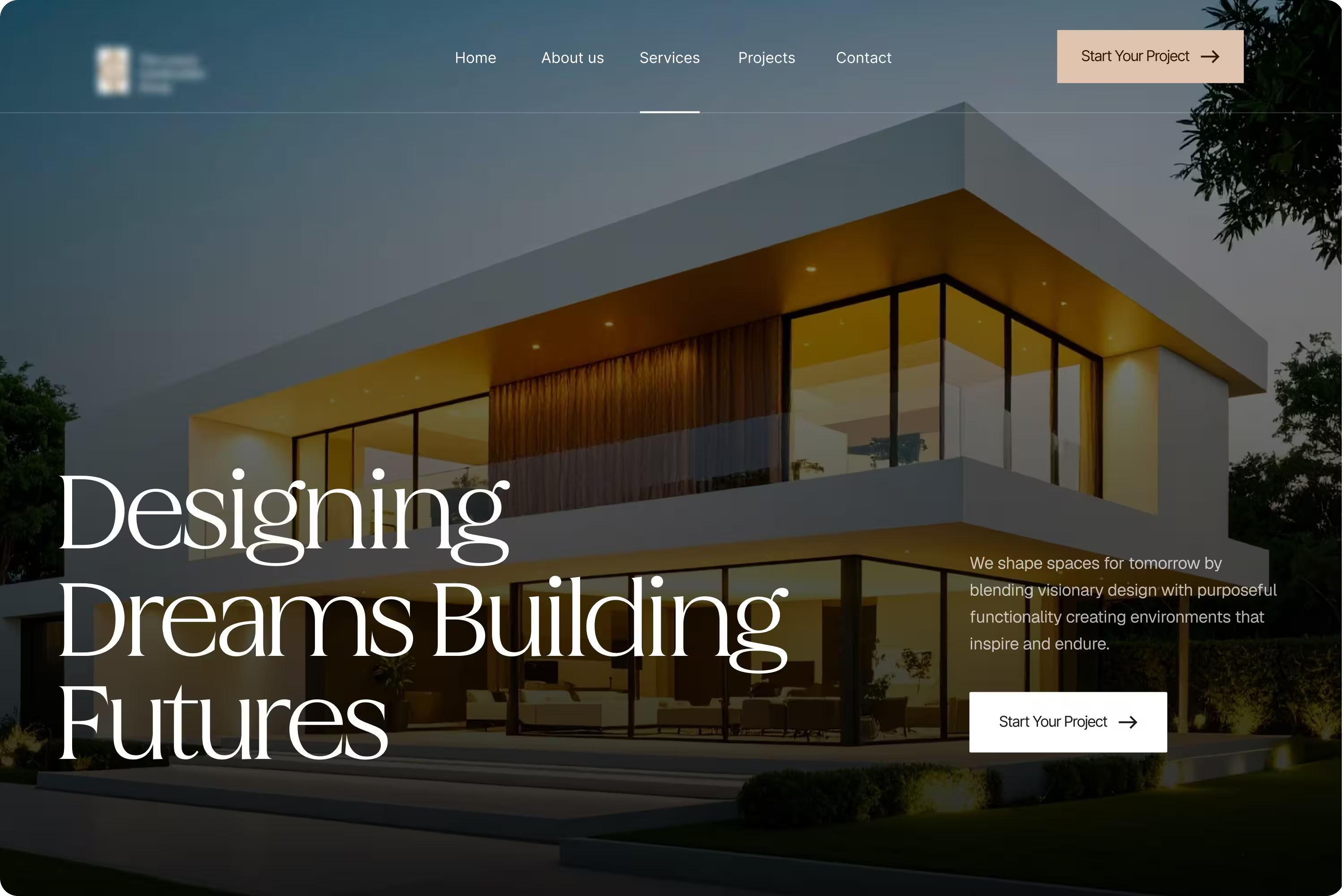
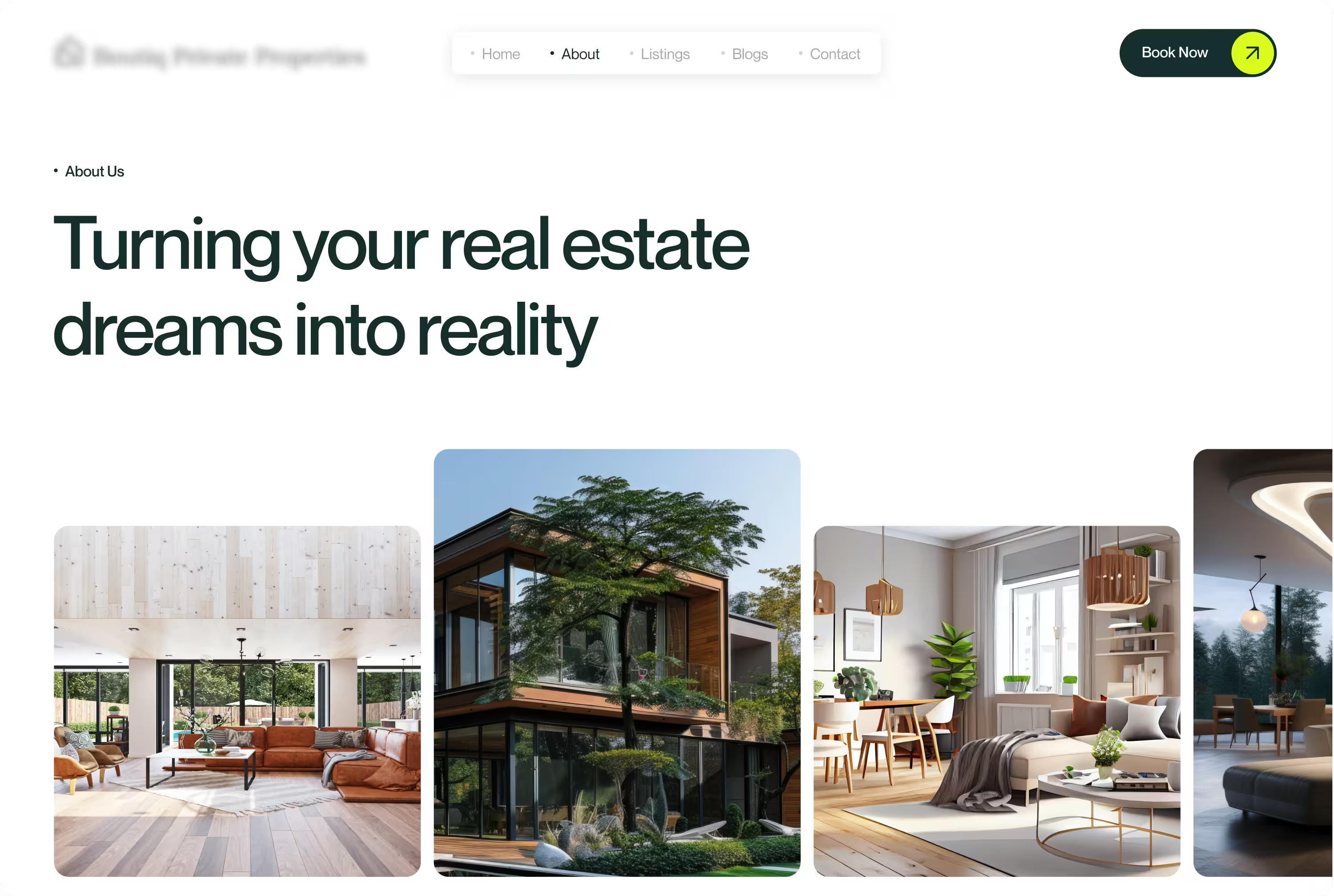
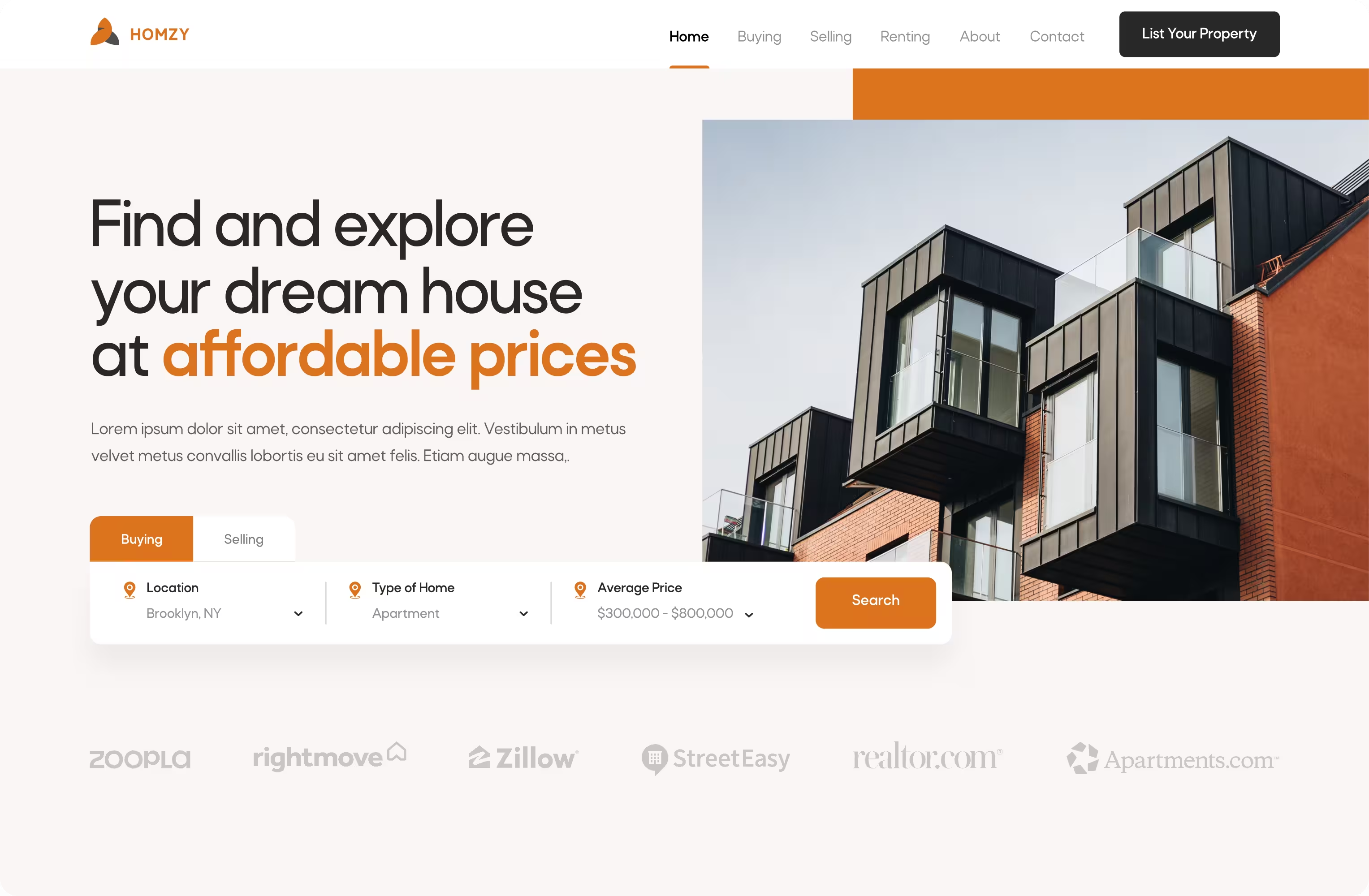
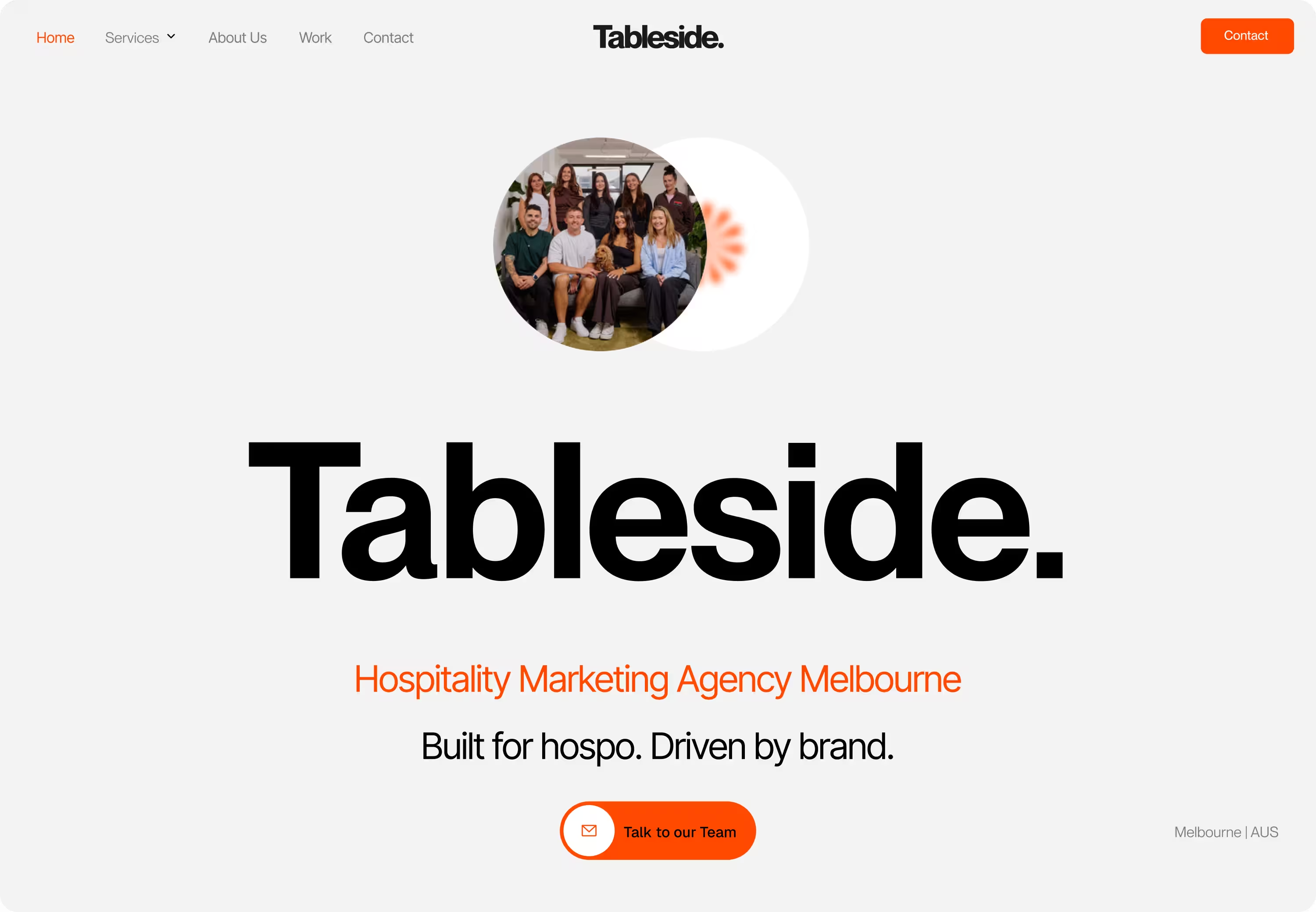
Minimalist design focuses on removing unnecessary elements and highlighting the most important content. Clean layouts, simple colour palettes, and generous white space help users navigate websites more easily and understand information quickly.
Use minimalist design when you want a clear, distraction-free interface that keeps attention on your product, content, or main call-to-action.
Our opinion:
At Devflow, we believe minimalism is not about removing design elements—it’s about prioritising what truly matters. A well-structured minimalist interface often leads to better user engagement and faster page performance.
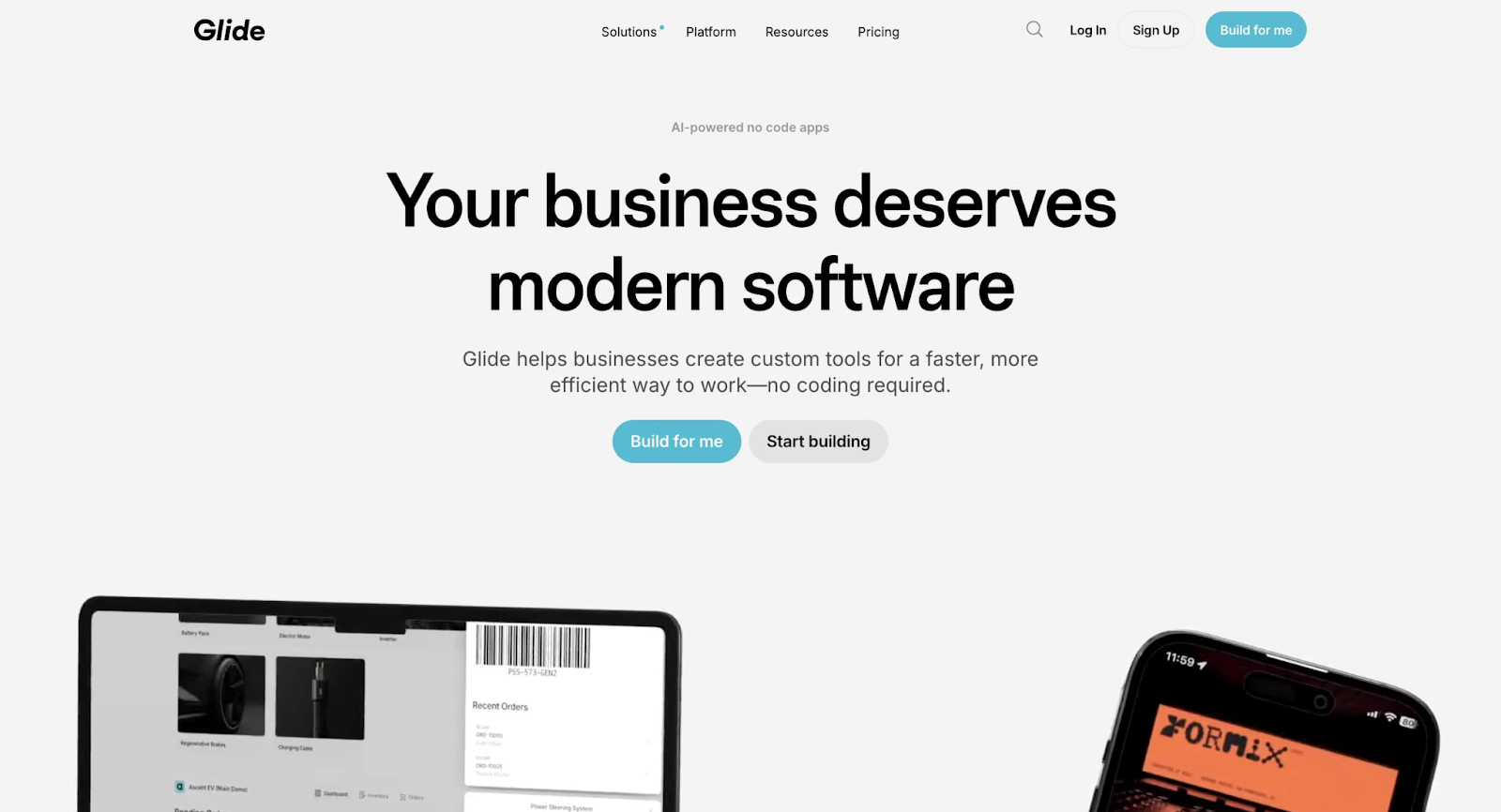
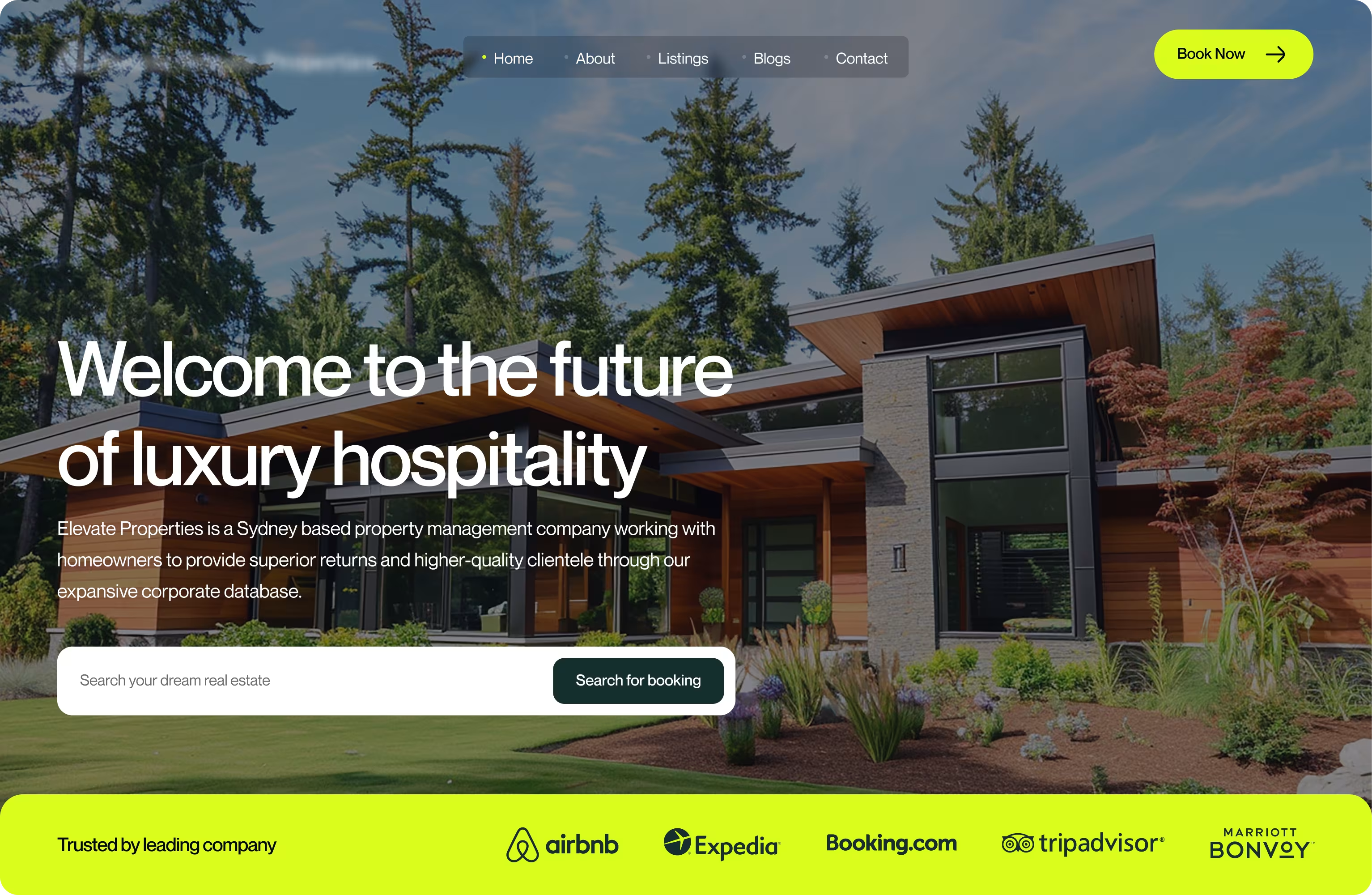
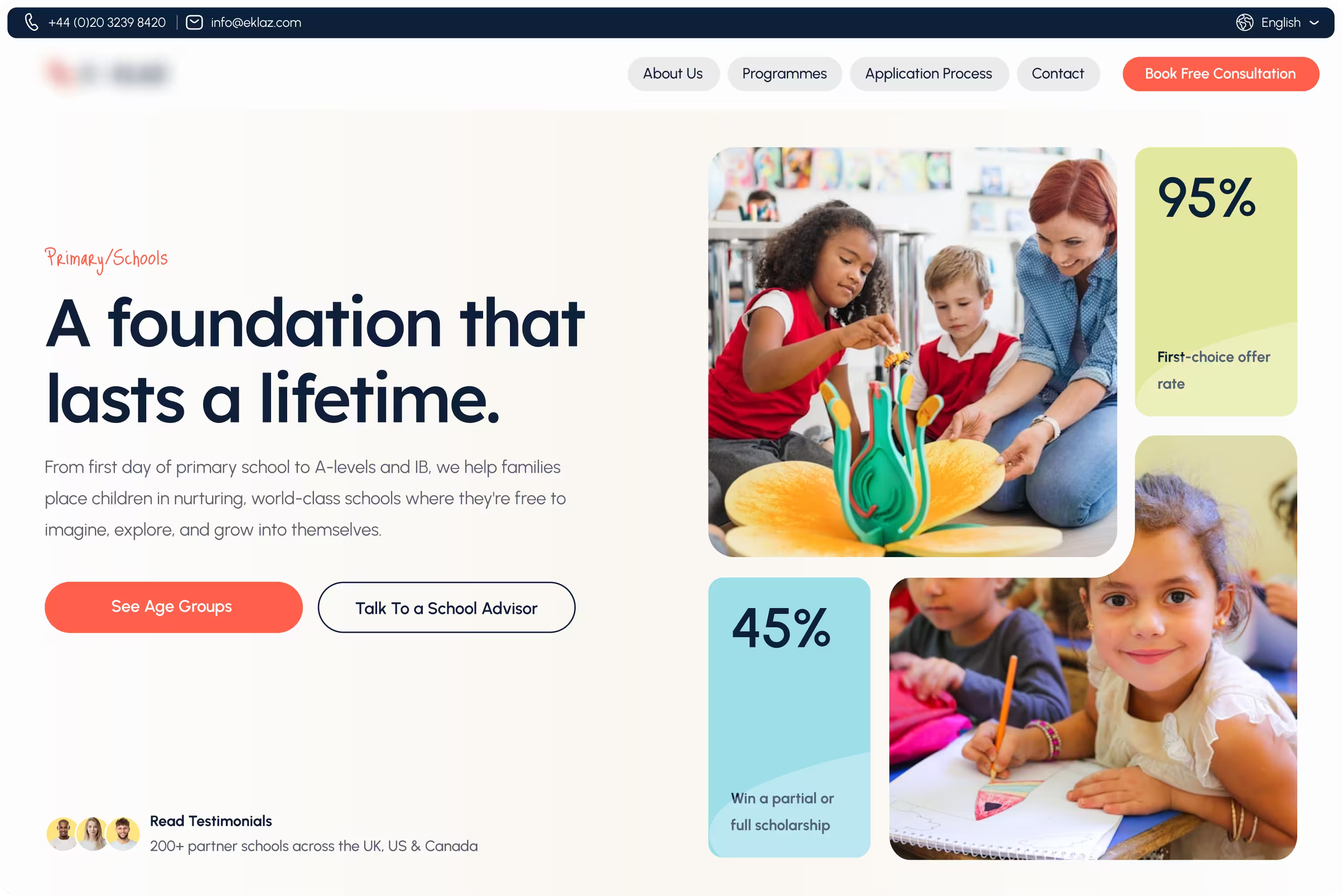
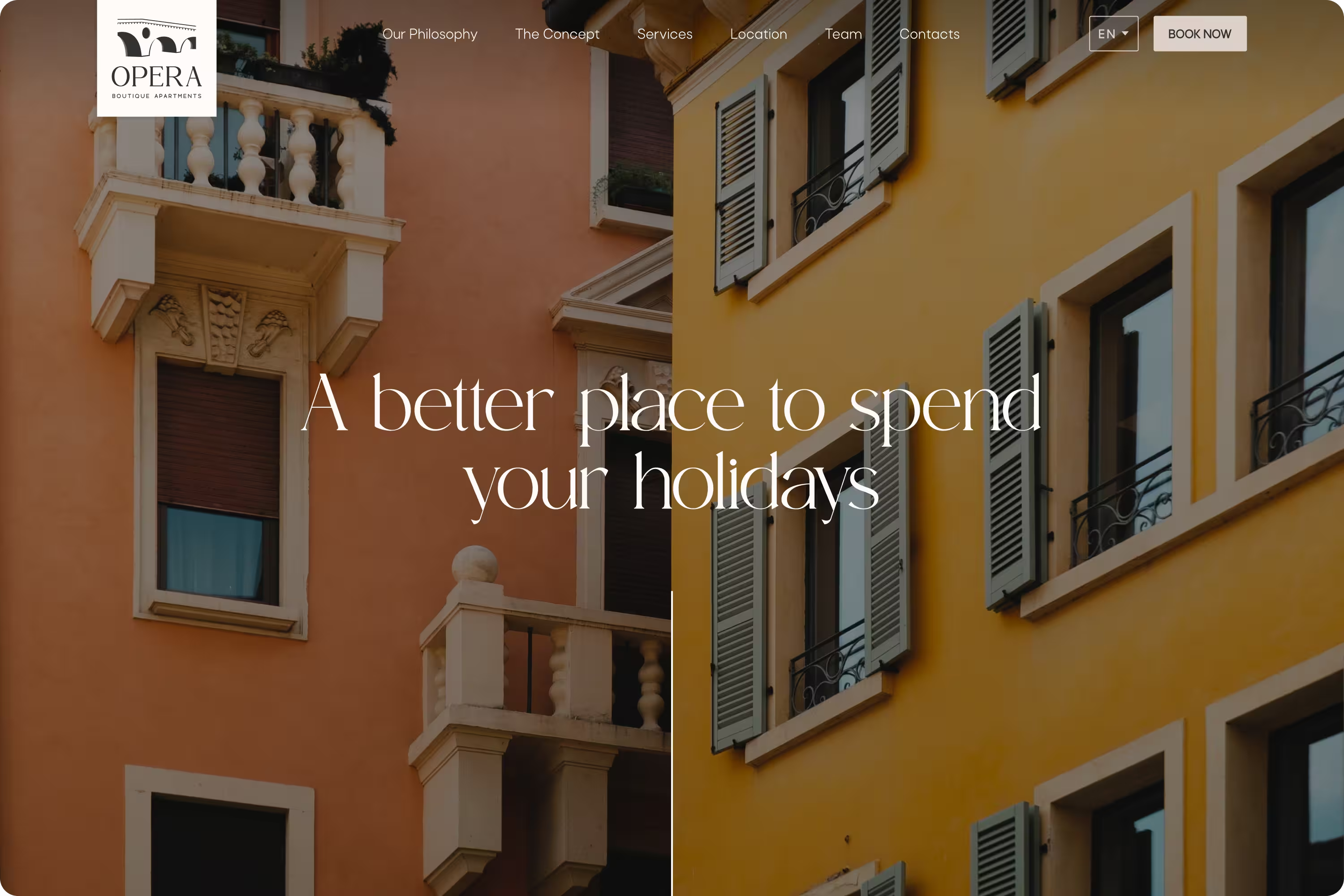
Full-screen hero sections occupy the first screen of a website and immediately communicate a brand’s value proposition. They typically combine bold headlines, visuals, and a clear call-to-action to capture attention within seconds.
When to use:
Use a full-screen hero section when you want to highlight your core message or product immediately after users land on your website.
Our opinion:
We see hero sections as the digital “front door” of a website. When designed well, they create clarity, guide the user journey, and encourage visitors to explore further.
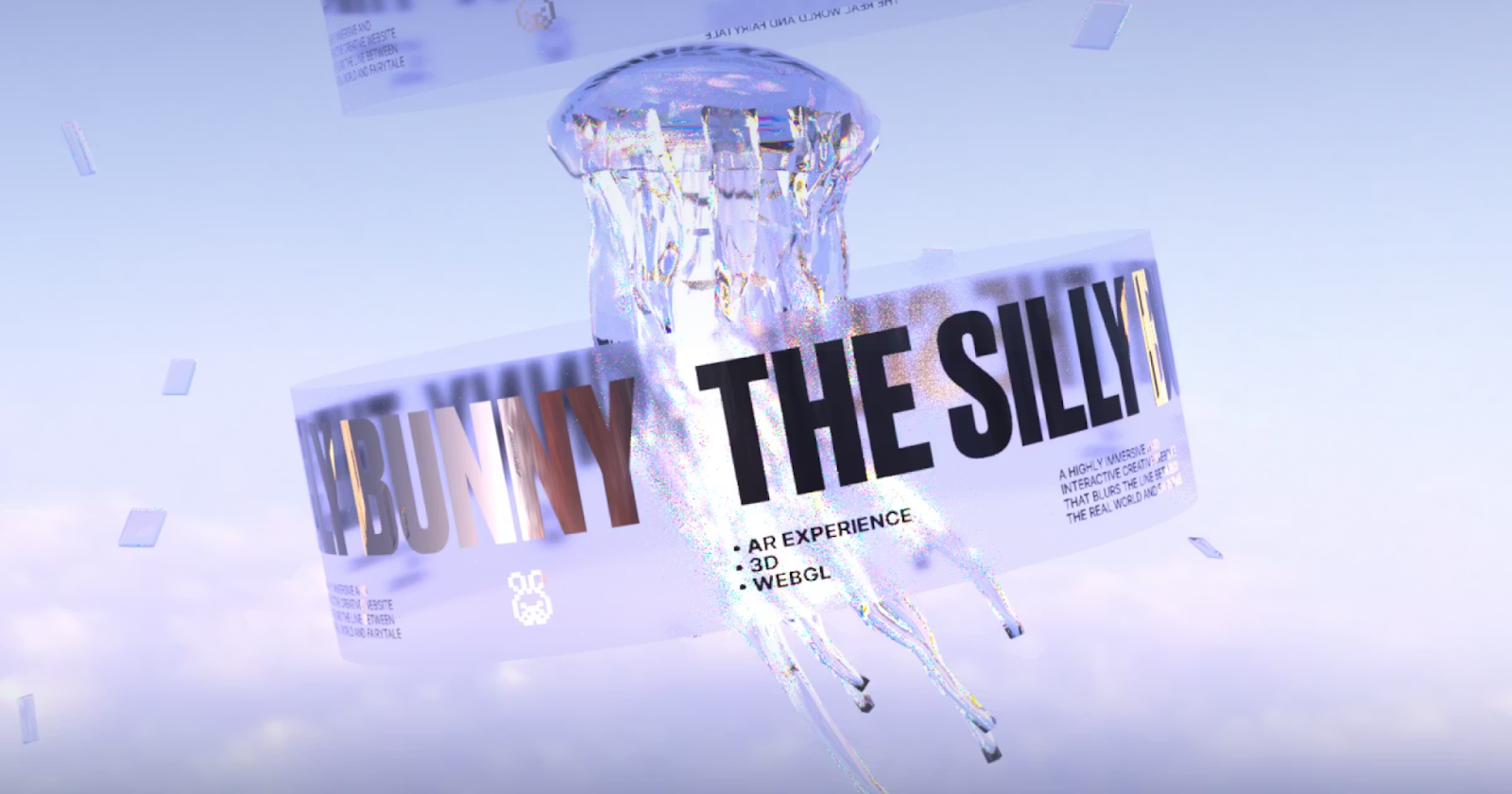
Interactive design uses animations, hover effects, scroll-triggered motion, and sometimes 3D elements to create engaging digital journeys. These interactions encourage users to explore the site and spend more time with the content.
Use immersive elements when you want to tell a story, showcase a product, or create a memorable brand experience.
Our opinion:
Interaction should enhance the user journey—not distract from it. Thoughtful animations and interactive elements can significantly increase engagement when used with purpose.
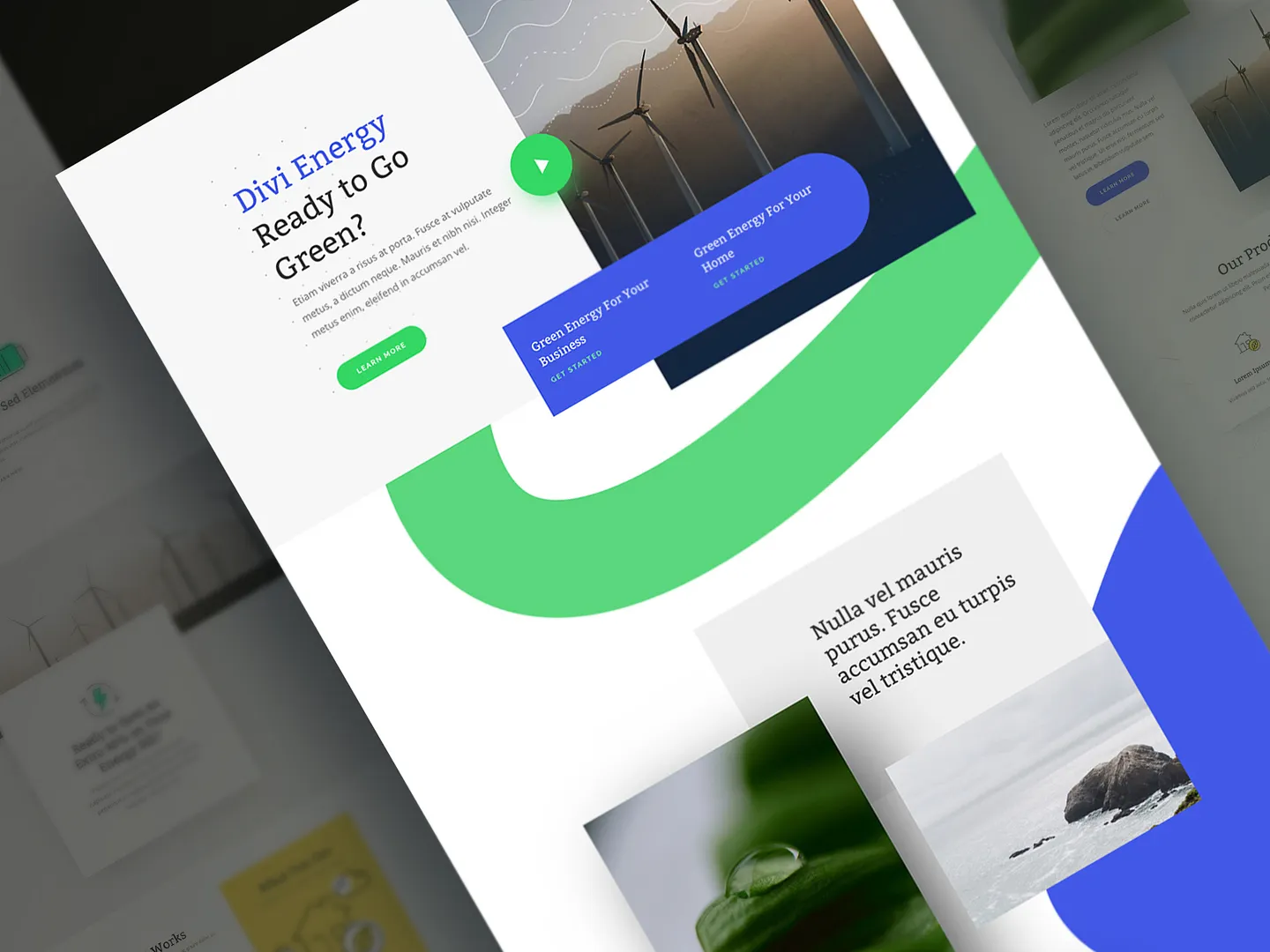
Sustainable web design focuses on reducing the environmental impact of websites by using lightweight code, optimised images, efficient hosting, and faster loading pages.
Choose sustainable design when you want to improve website performance while aligning your brand with environmentally responsible practices.
Our opinion:
For us, sustainable design is simply smart design. Faster websites that use fewer resources benefit both users and the environment.
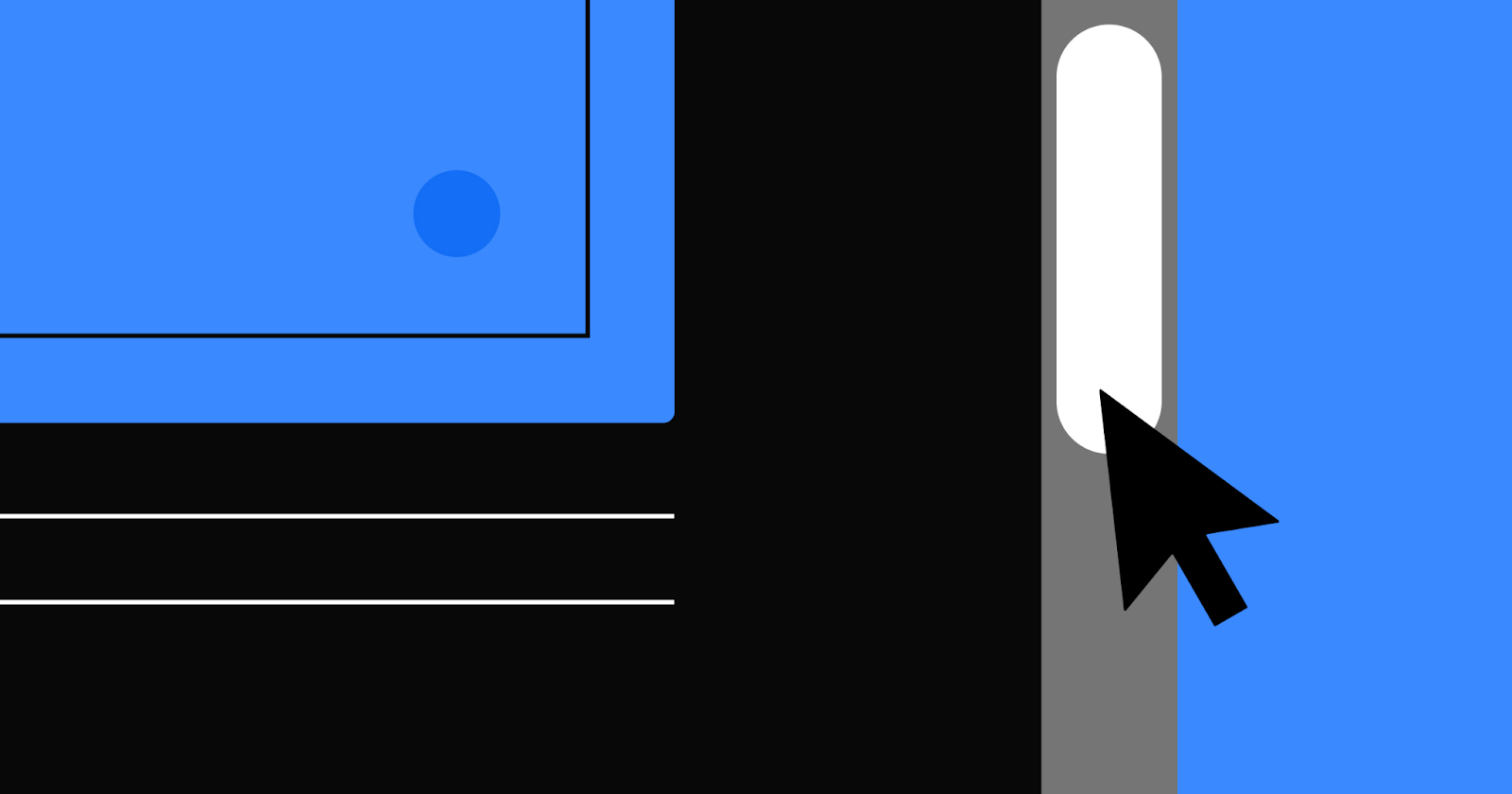
Parallax scrolling creates a layered effect where background elements move more slowly than foreground elements. This technique adds depth and helps designers guide users through visual storytelling.
Use parallax scrolling when you want to create a more engaging storytelling experience on landing pages or brand websites.
Our opinion:
Parallax effects work best when they support the narrative of the page. Subtle motion can make a website feel modern without affecting performance.
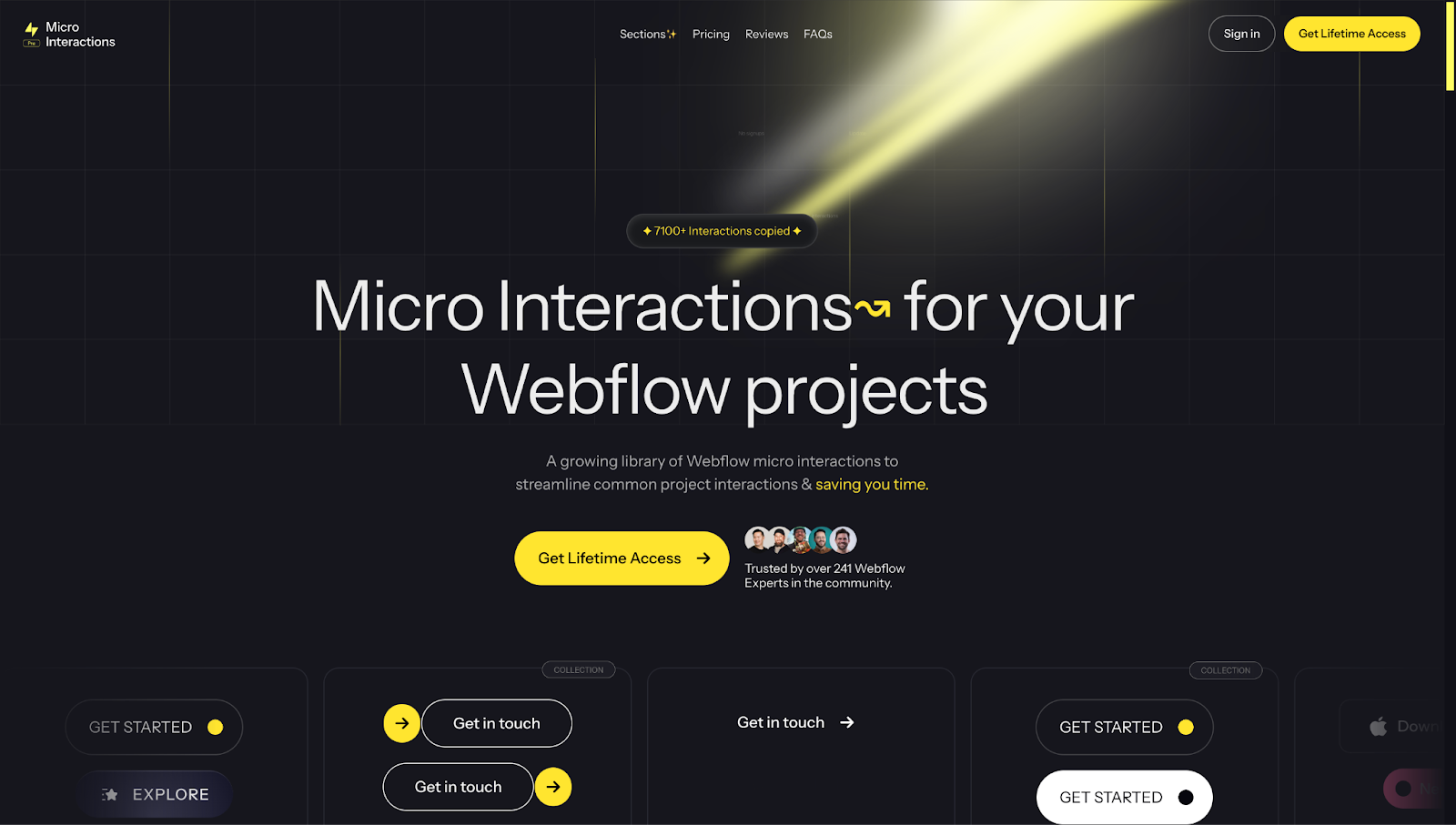
Micro-interactions are subtle animations that respond to user actions, such as hovering over a button or completing a form. These small details provide feedback and make interfaces feel more responsive.
Use micro-interactions when you want to guide users, provide visual feedback, and improve overall usability.
Our opinion:
Often the smallest design details create the biggest impact. Micro-interactions make digital products feel more intuitive and polished.
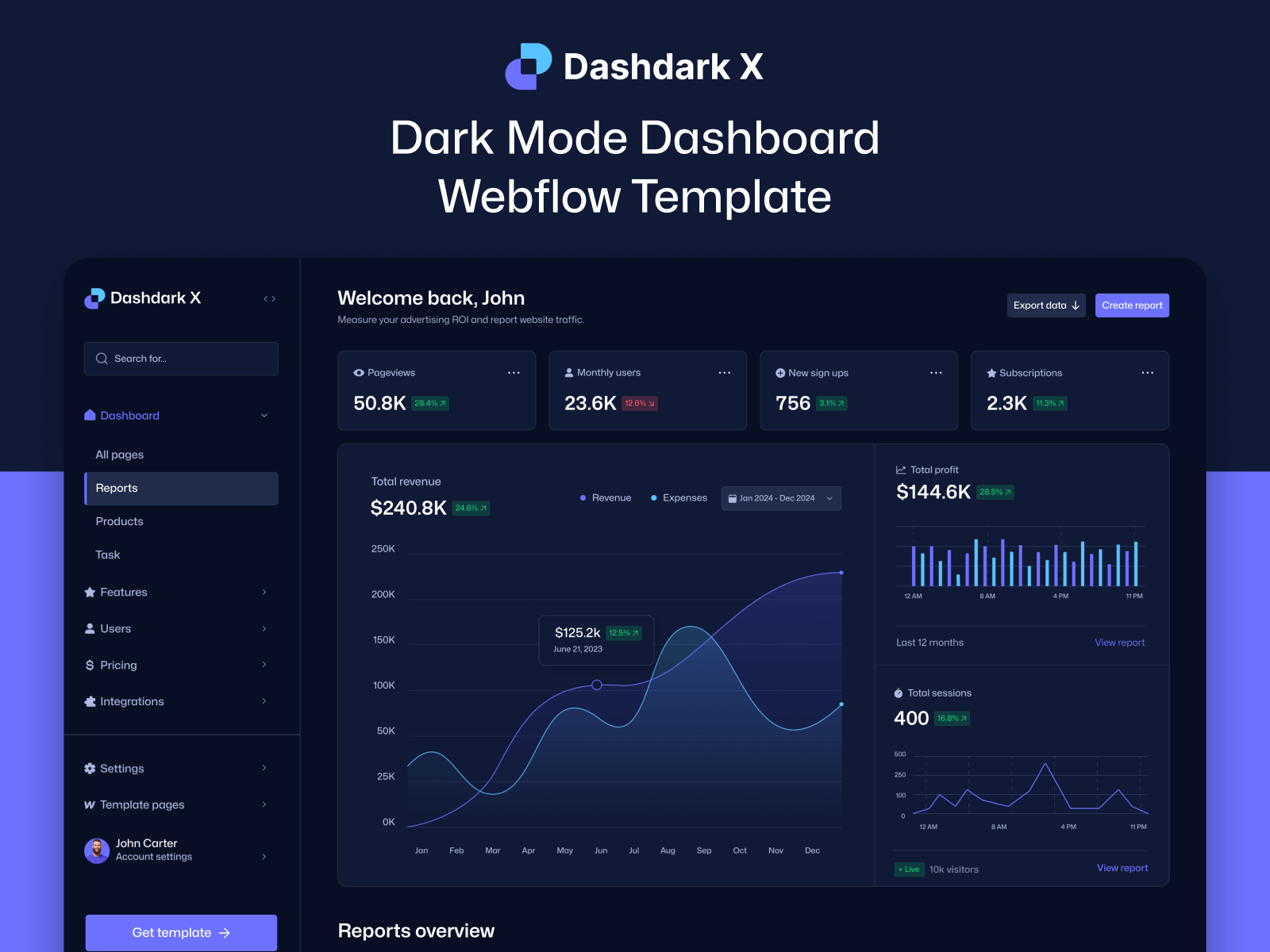
Dark mode uses darker backgrounds with lighter text to reduce eye strain and improve readability in low-light environments. Many modern websites now offer both light and dark themes.
Use dark mode when you want to enhance visual comfort and offer users more control over their viewing experience.
Our opinion:
Dark mode is no longer just a trend—it’s becoming a user expectation. Offering theme options can significantly improve user satisfaction.
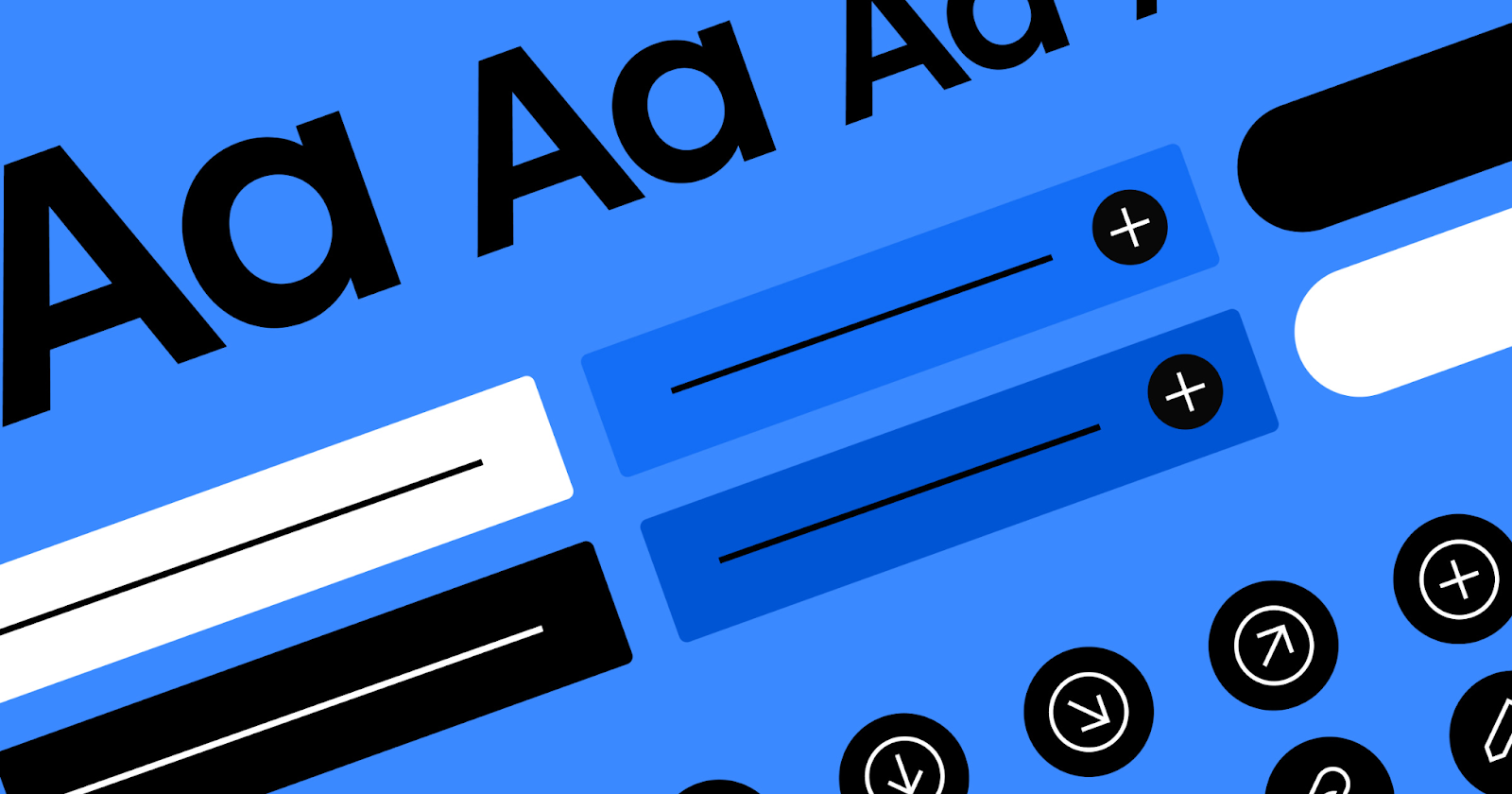
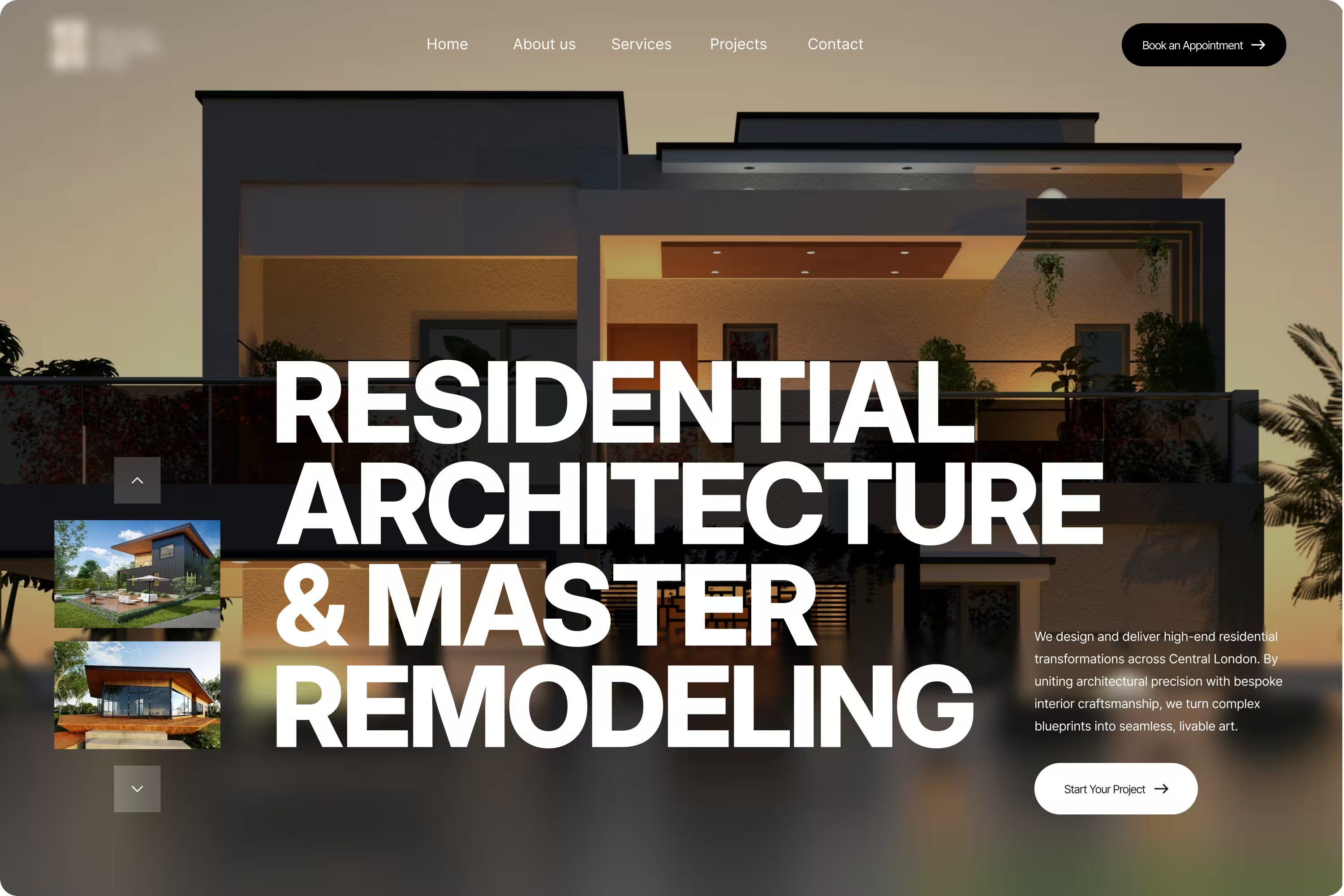
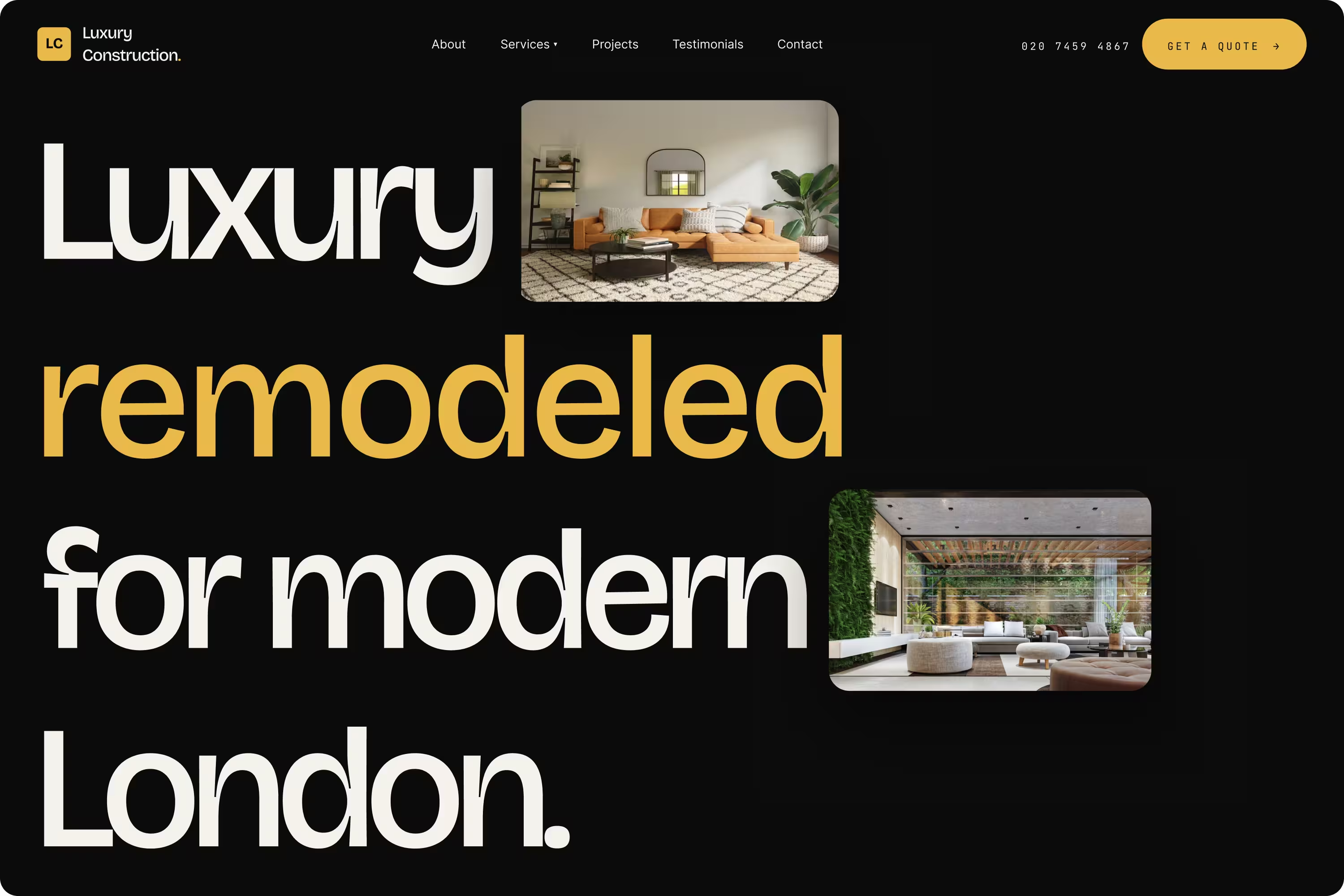
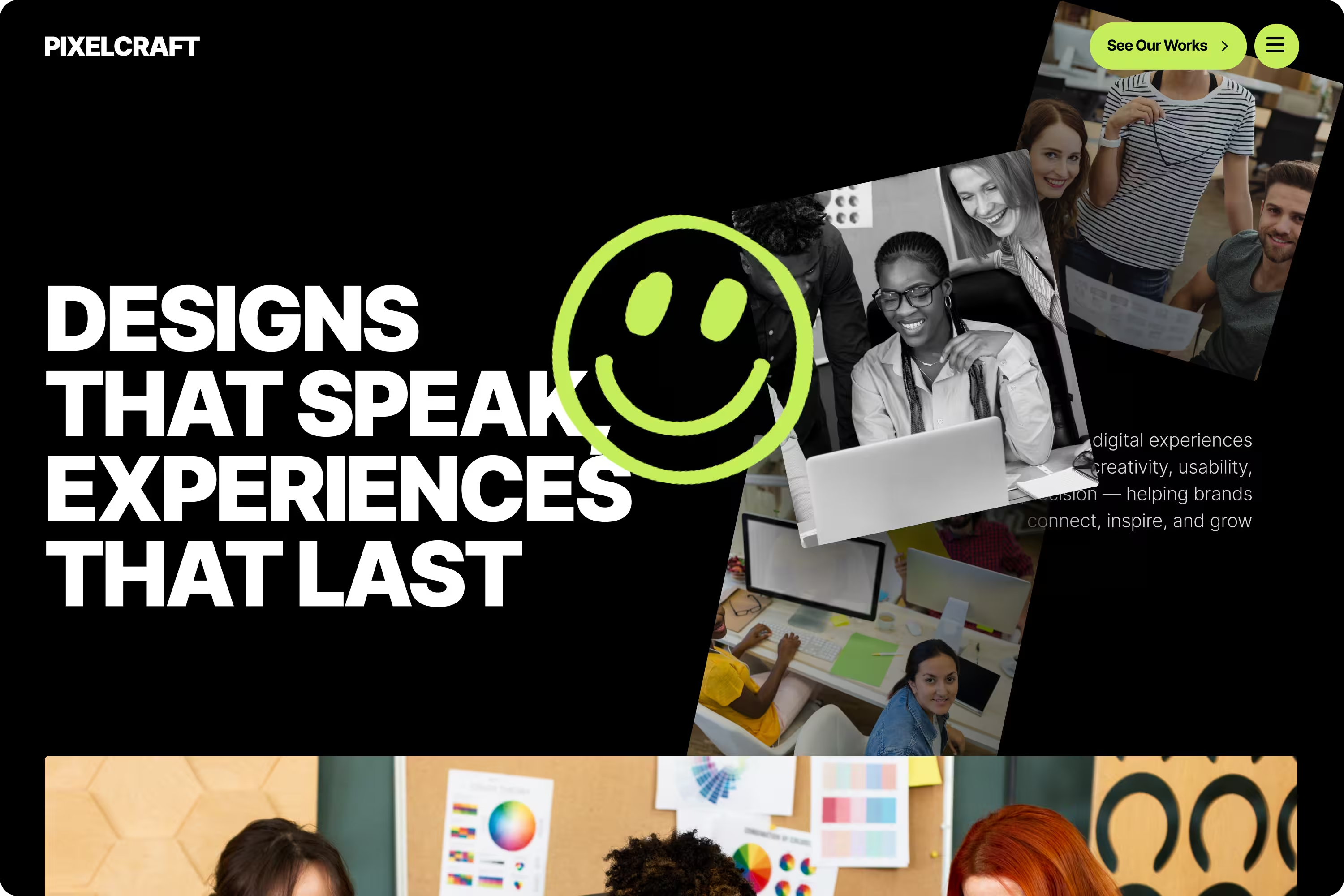
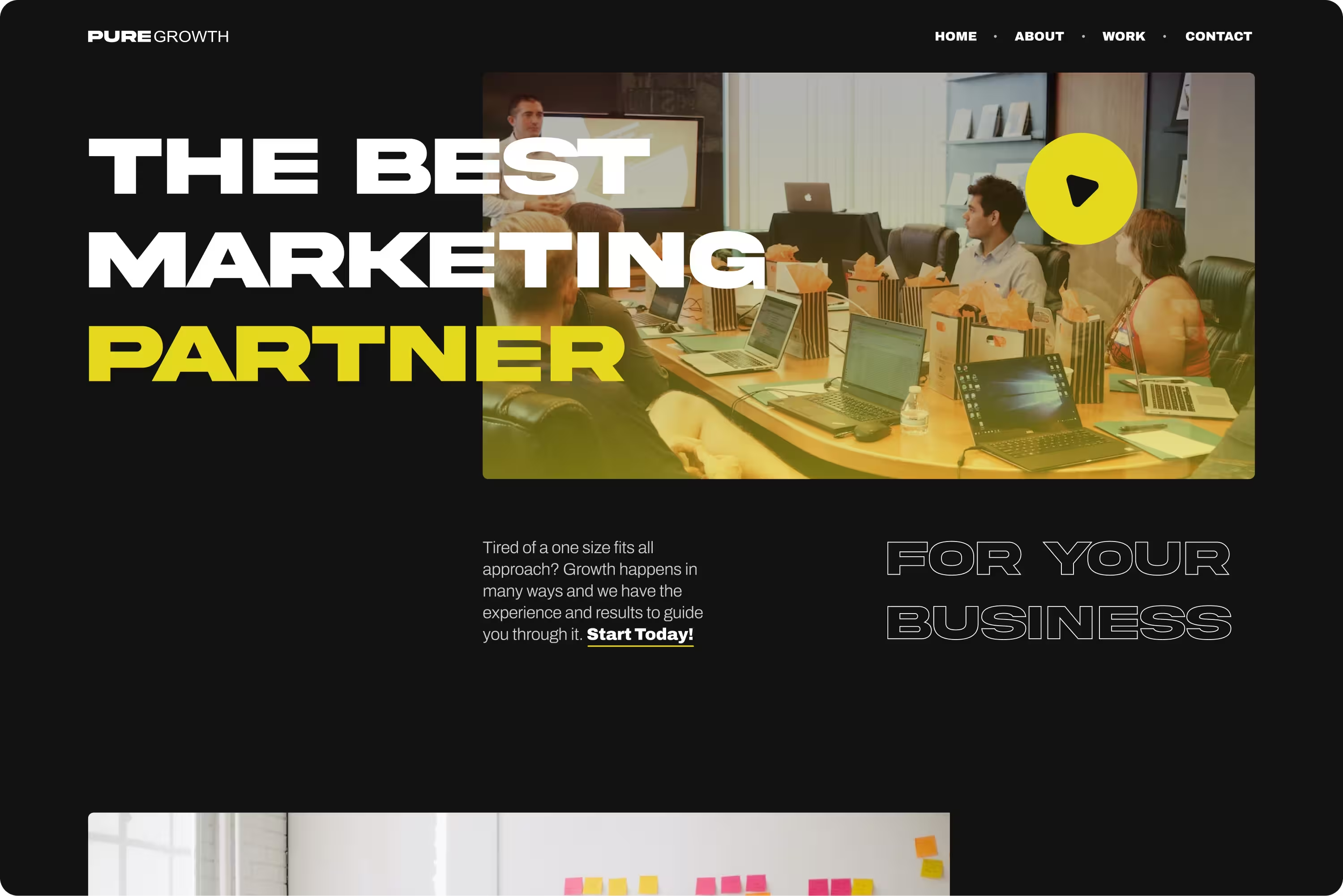
Oversized and expressive typography helps websites communicate messages clearly while creating a strong visual identity. Large fonts improve readability and establish a clear hierarchy.
Use bold typography when you want to highlight key messages, headlines, or brand statements.
Our opinion:
Typography is one of the most powerful design tools. When used creatively, it can instantly capture attention and strengthen brand identity
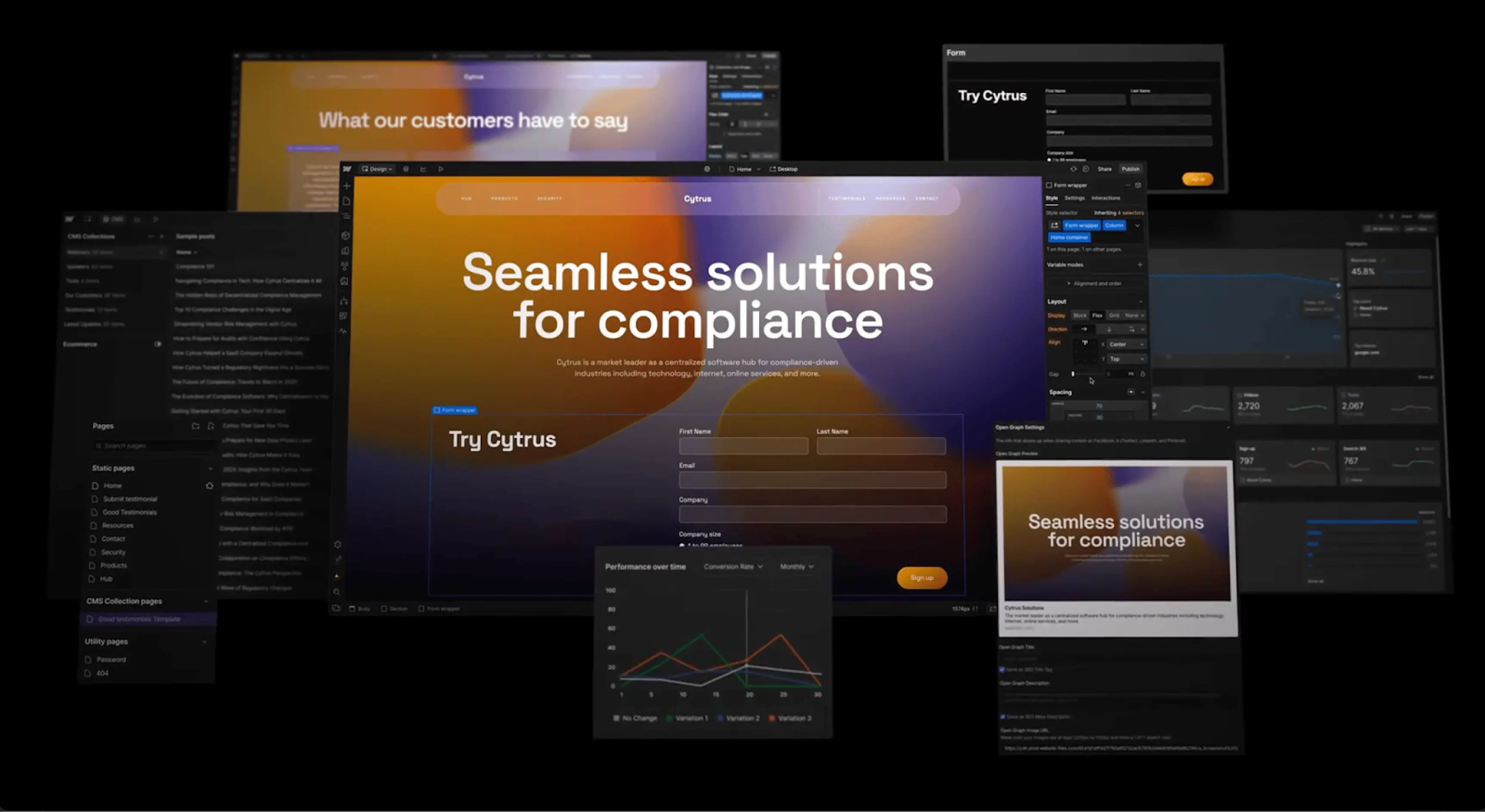
Artificial intelligence is transforming how websites are designed. AI tools can generate layouts, optimise images, and personalise content based on user behaviour.
Use AI-assisted design tools when you want to speed up workflows, analyse user data, and create more personalised experiences.
Our opinion:
AI should support creativity, not replace it. The best results come from combining intelligent tools with thoughtful human design.
Creating a successful website requires more than just good visuals. It involves strategic design, performance optimisation, and a strong focus on user experience. Devflow combines modern design trends with practical UX strategies to build websites that are fast, scalable, and conversion-focused.
By applying the latest web design practices, Devflow helps businesses create digital experiences that are visually engaging, easy to navigate, and built to perform across devices.
Most experts recommend reviewing or refreshing website design every 2–3 years to keep up with changing technologies, user expectations, and design trends.
Yes. Modern web design often improves site speed, mobile responsiveness, and usability—factors that search engines like Google consider when ranking websites.
Businesses should prioritise user experience, fast loading speed, mobile responsiveness, clear navigation, and accessible design.
Web design trends continue to evolve as user expectations grow. Businesses that adopt modern design principles can create websites that feel faster, clearer, and more engaging for their audiences.
The trends highlighted in this guide—from minimalist layouts to AI-driven design—show how websites are becoming more interactive, accessible, and user-focused. By applying the right design strategies, businesses can build websites that not only look modern but also deliver better performance and user engagement.
Share
Explore more insights from our team to deepen your understanding of digital strategy and web development best practices.
Book now
Let’s discuss your goals, map out a strategic execution plan, and turn your website into a growth engine for your business.
.avif)